TATTOO PORTFOLIO
Drawing Unit | Visual Art Foundations I (9-12)
Drawing Unit | Visual Art Foundations I (9-12)
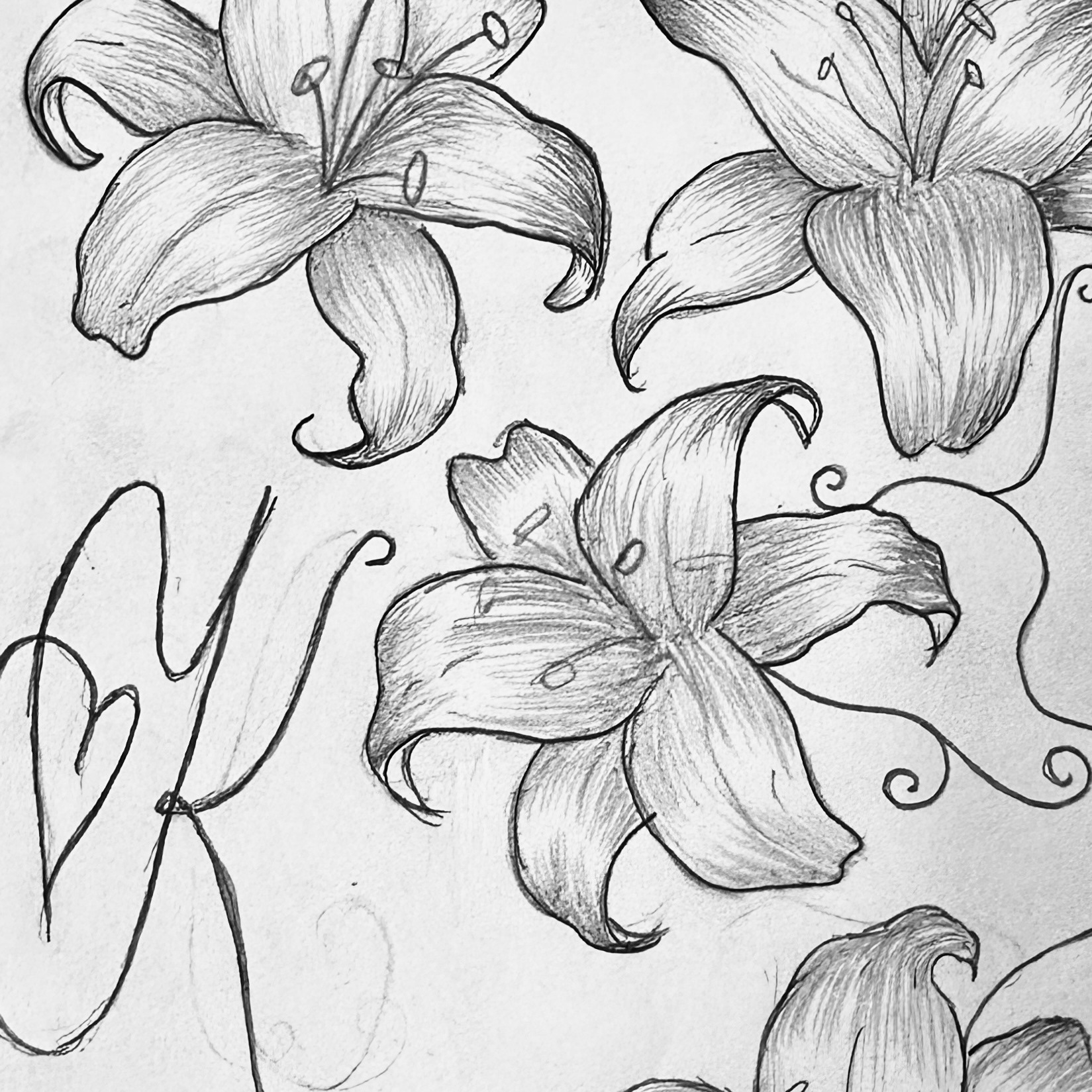
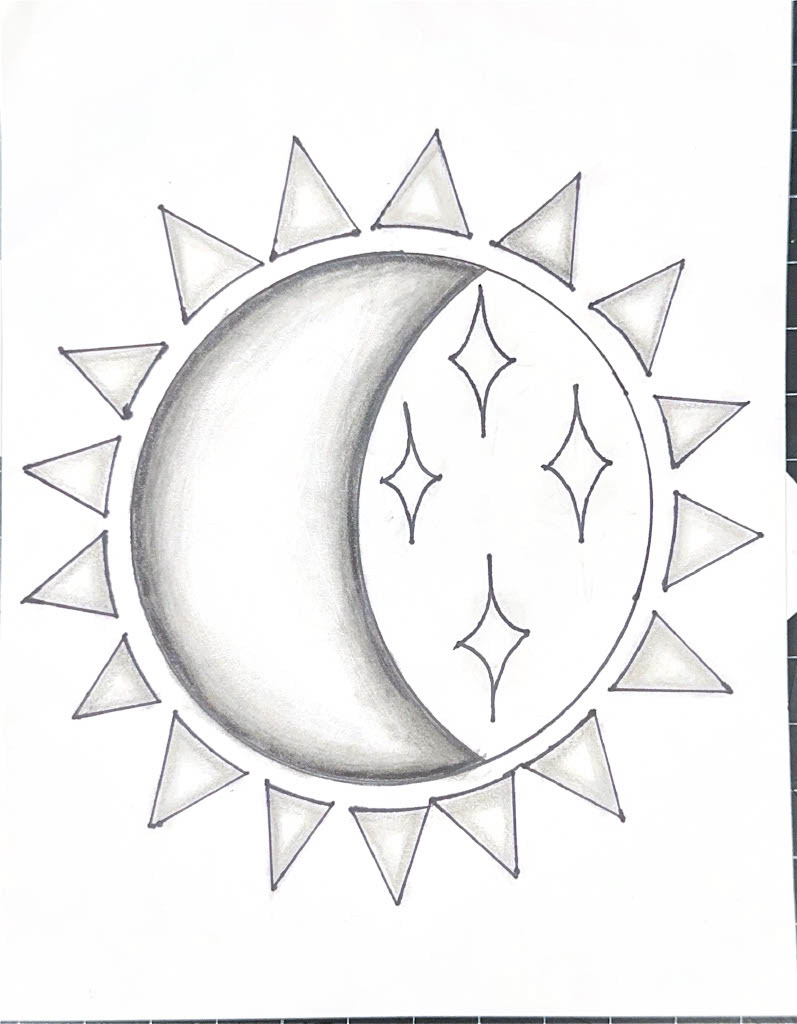
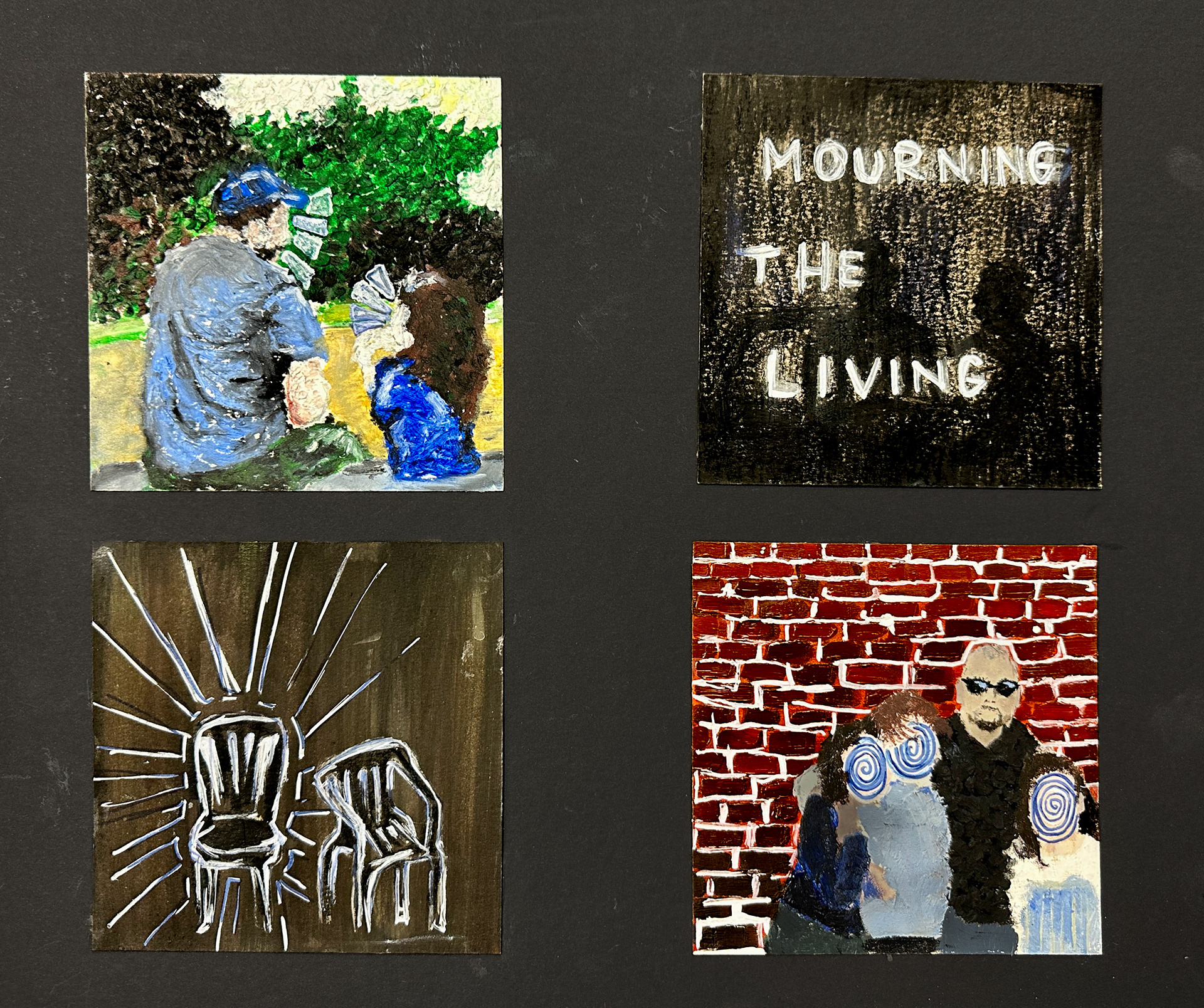
Tattoos are an art form that has existed for millennia, with deep cultural roots and traditions. While tattoos have been considered taboo in Western history, they have gradually become more accepted and normalized in recent years, leading students to become interested in becoming tattoo artists themselves.
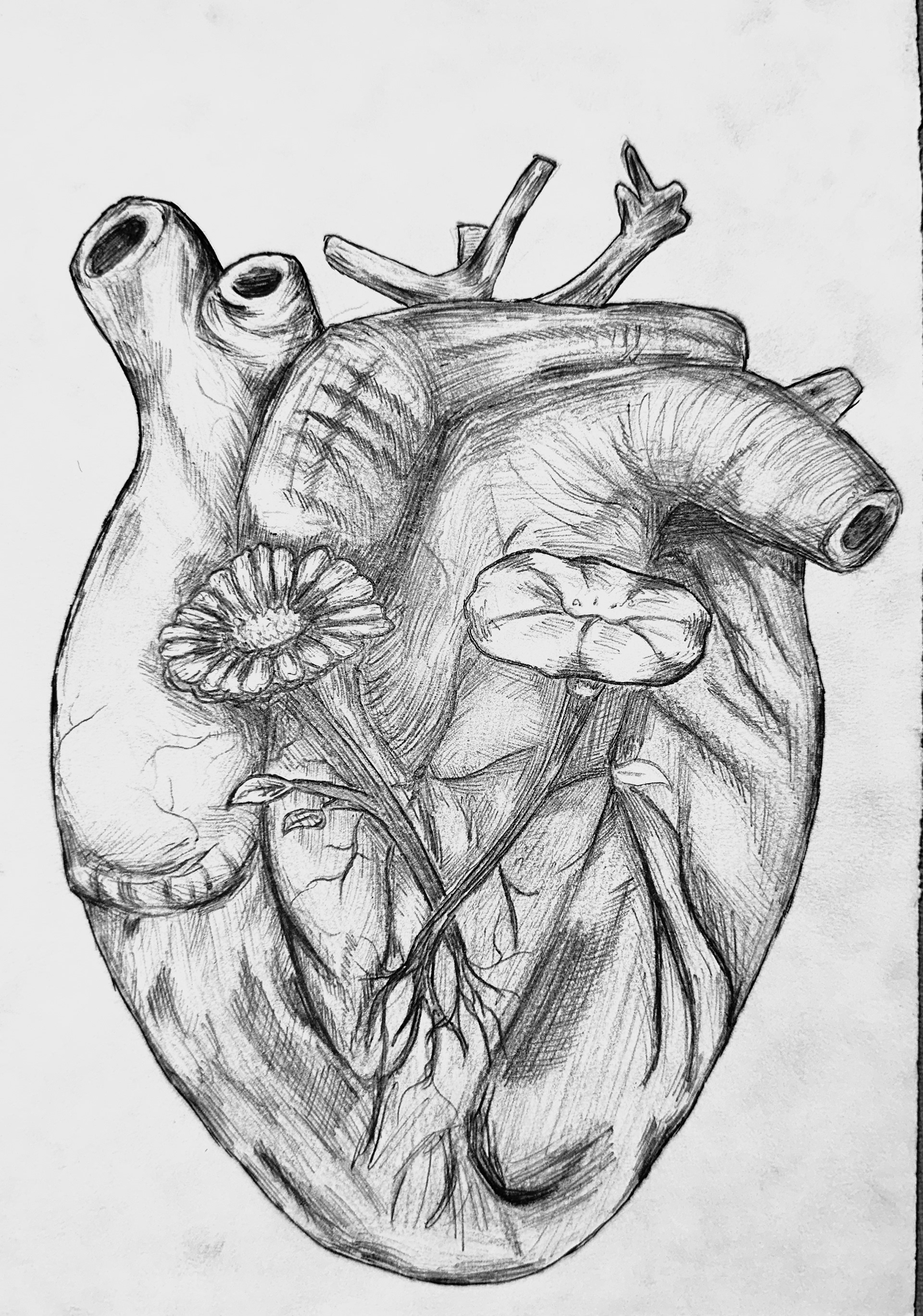
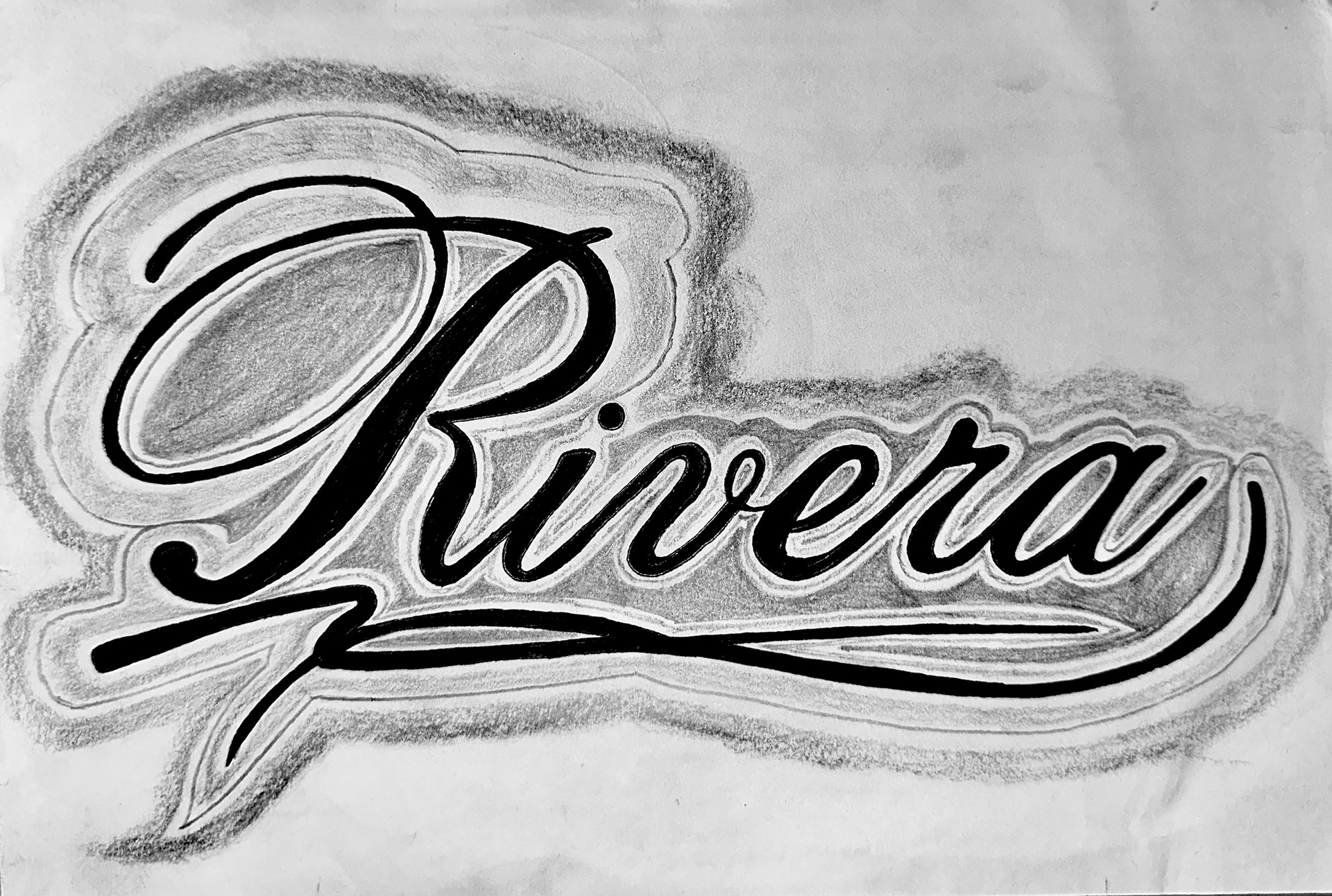
In this project, 9-12th grade visual art learners will explore the history and traditions behind tattoos, and apply drawing techniques to create their own tattoo portfolio. This project serves as the culmination of the drawing unit. Up to this point, they have learned mark-making, contour drawing, observational drawing, grid drawing, and shading. Students will apply those drawing skills, along with symbolism and imagery, and become tattoo artists for a few weeks!
STUDENT WORK
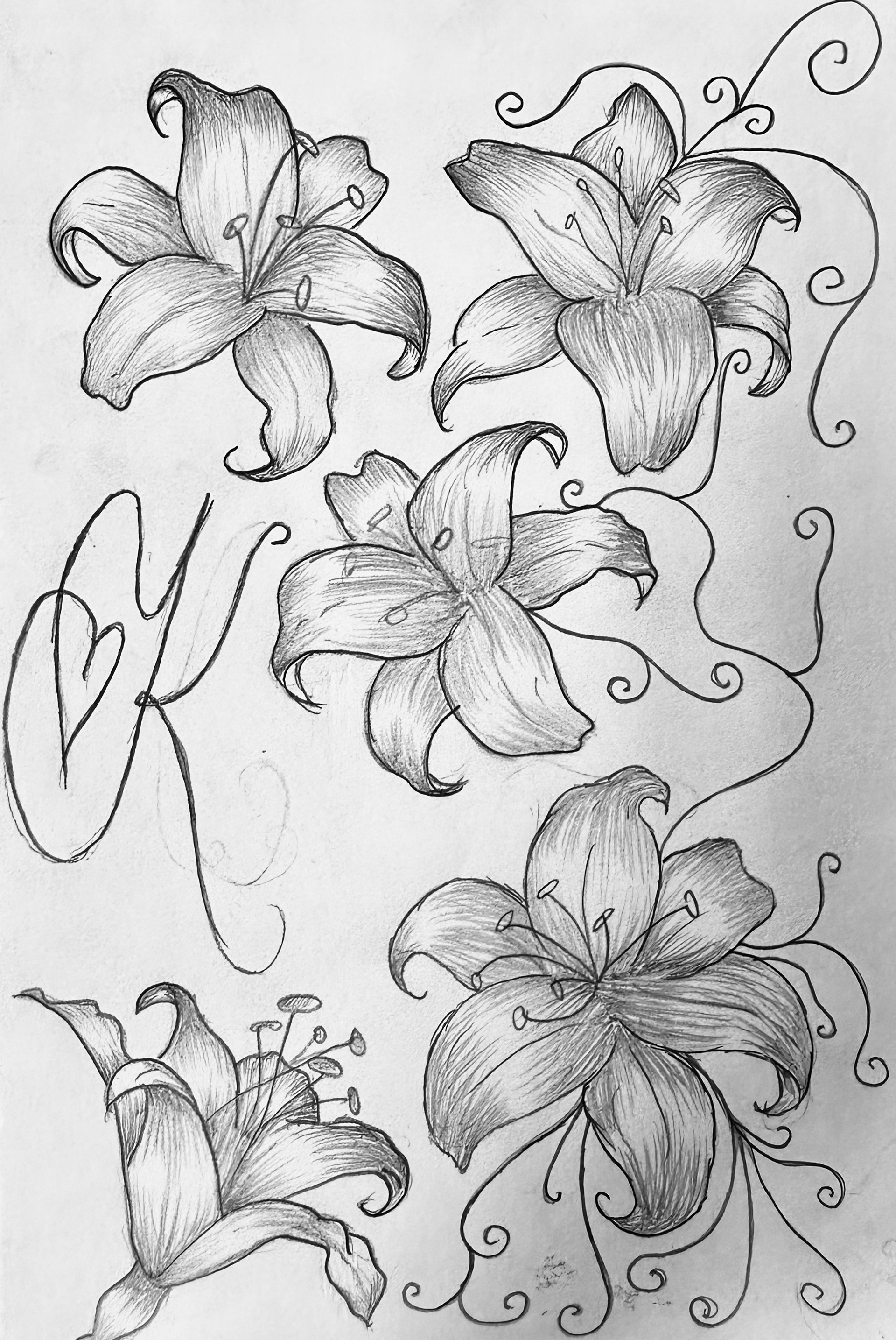
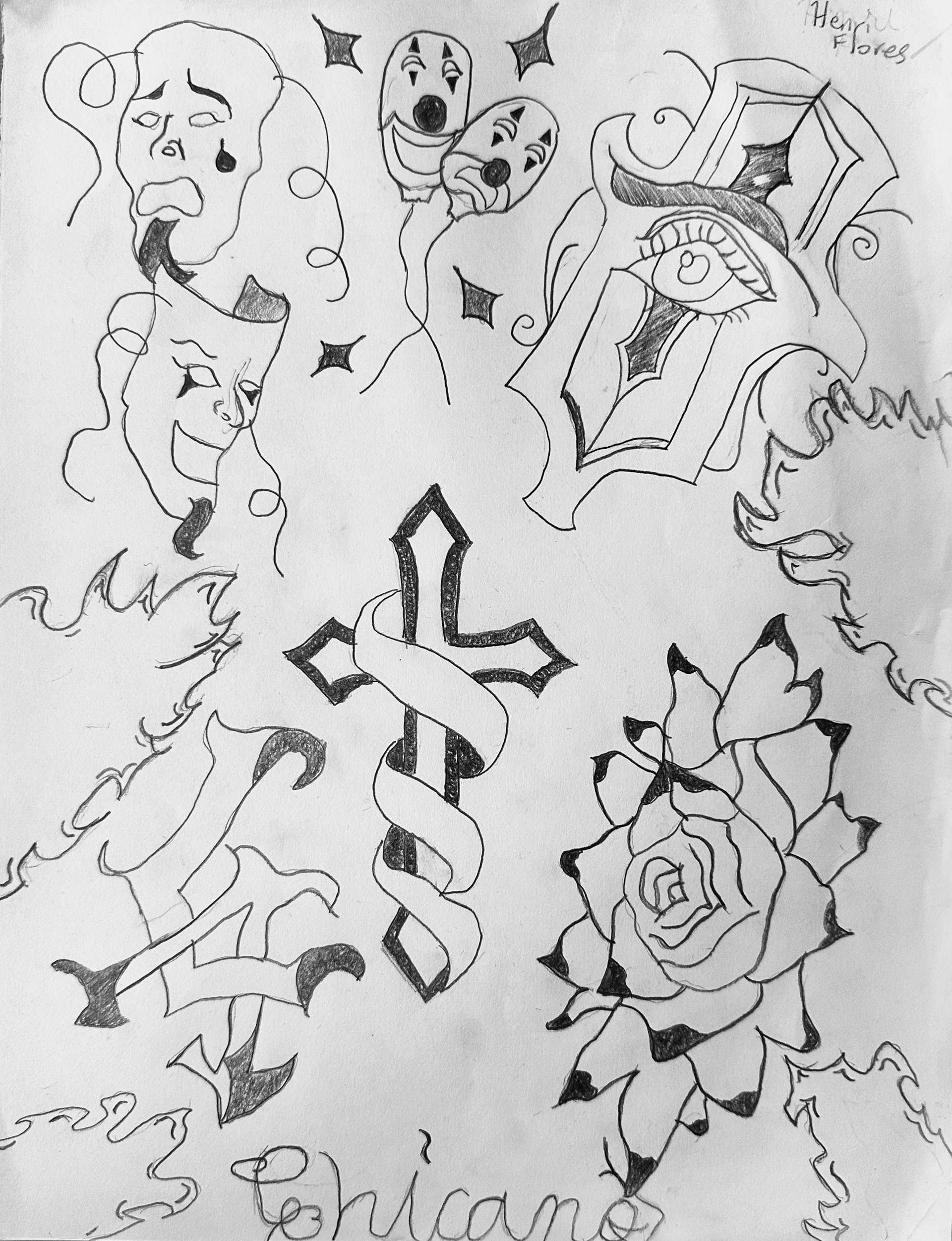
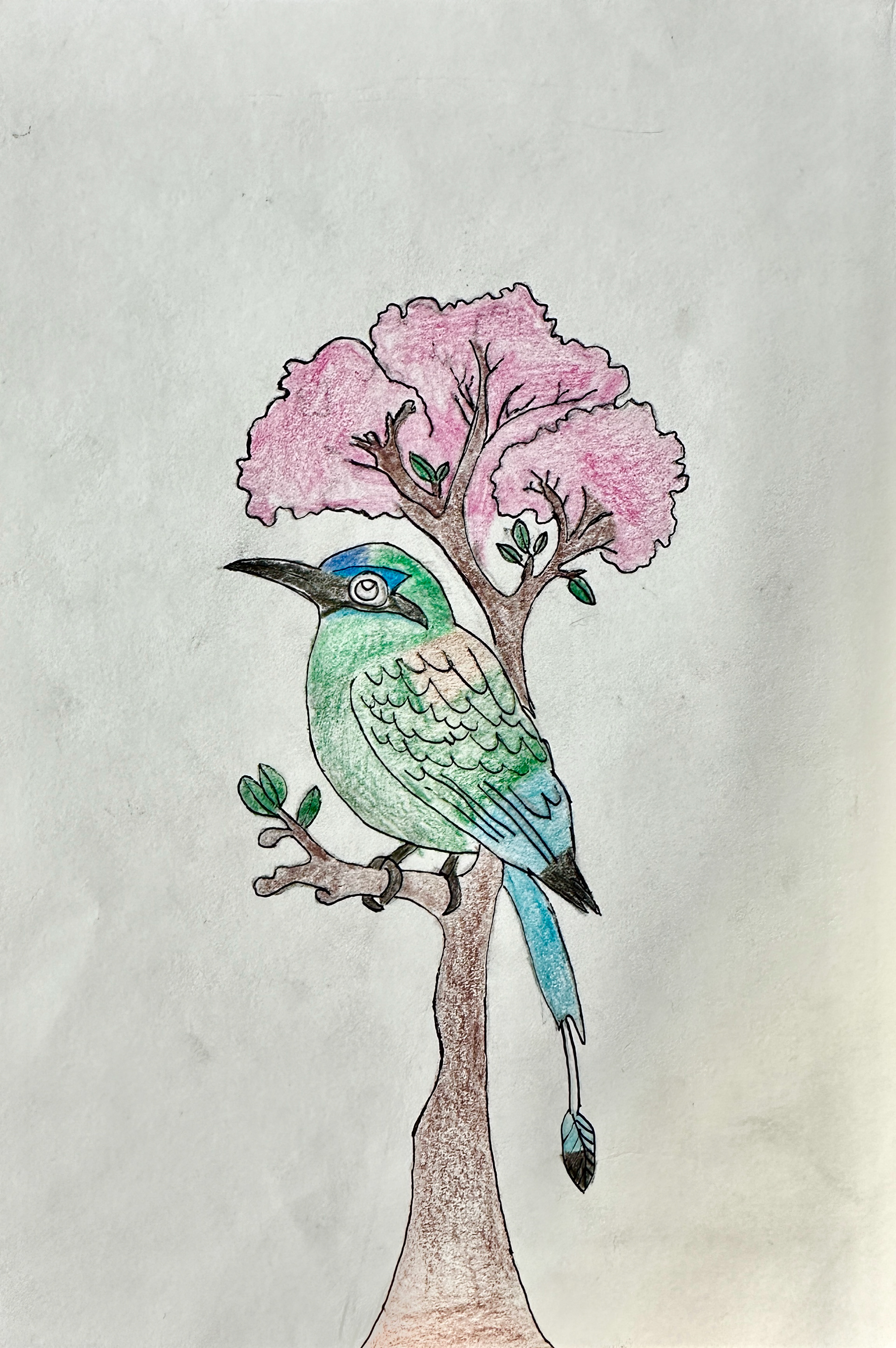
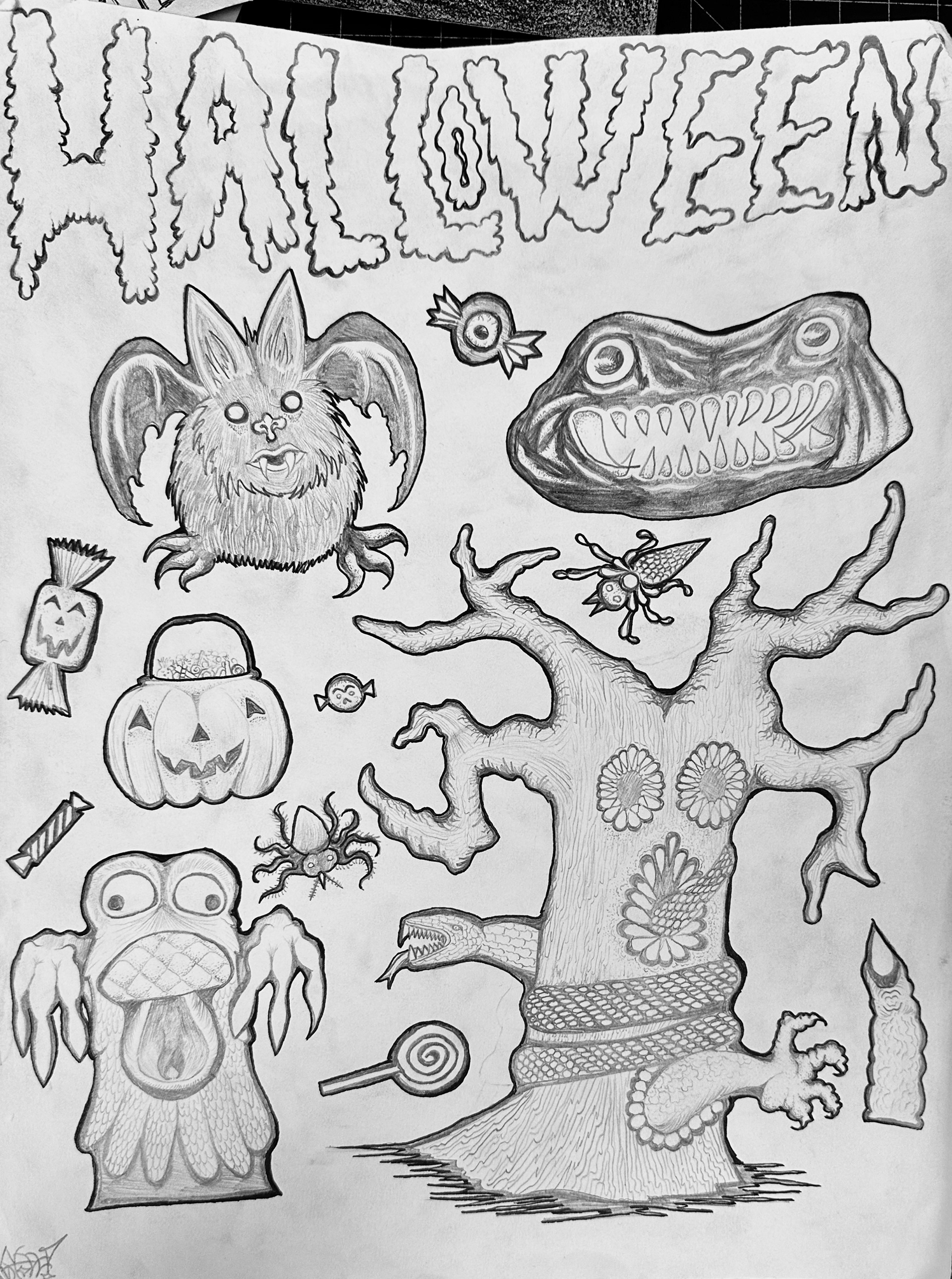
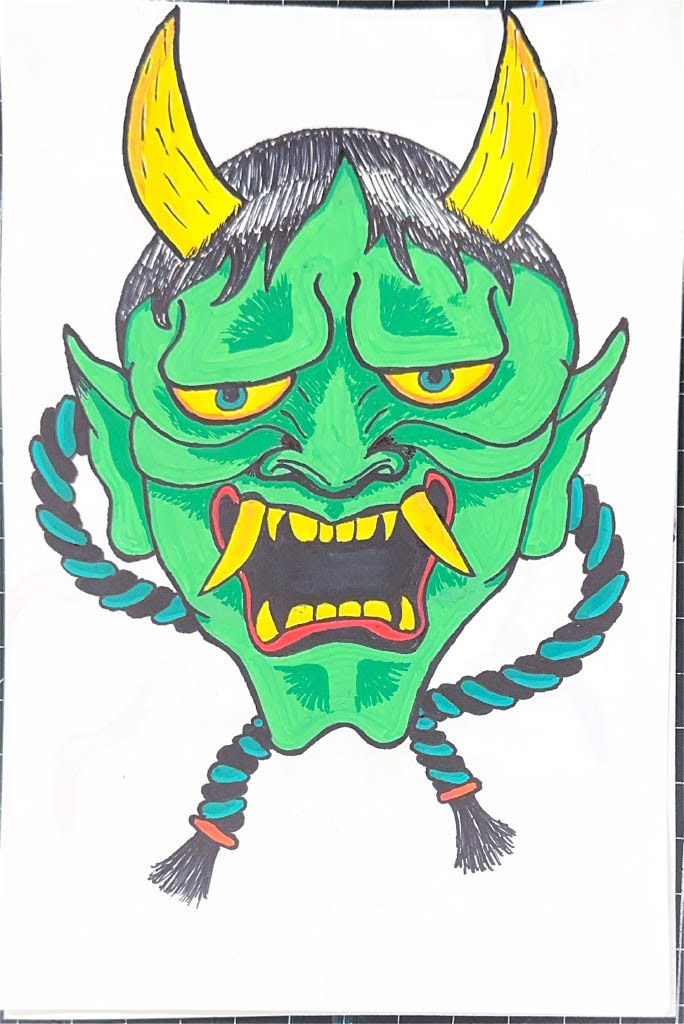
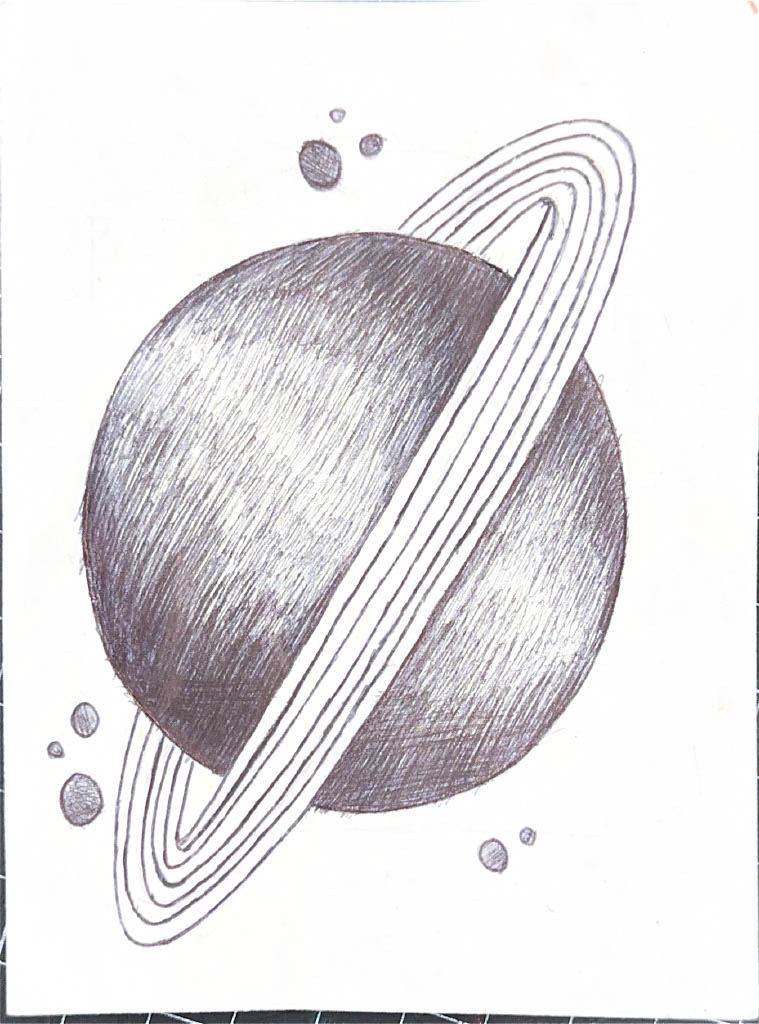
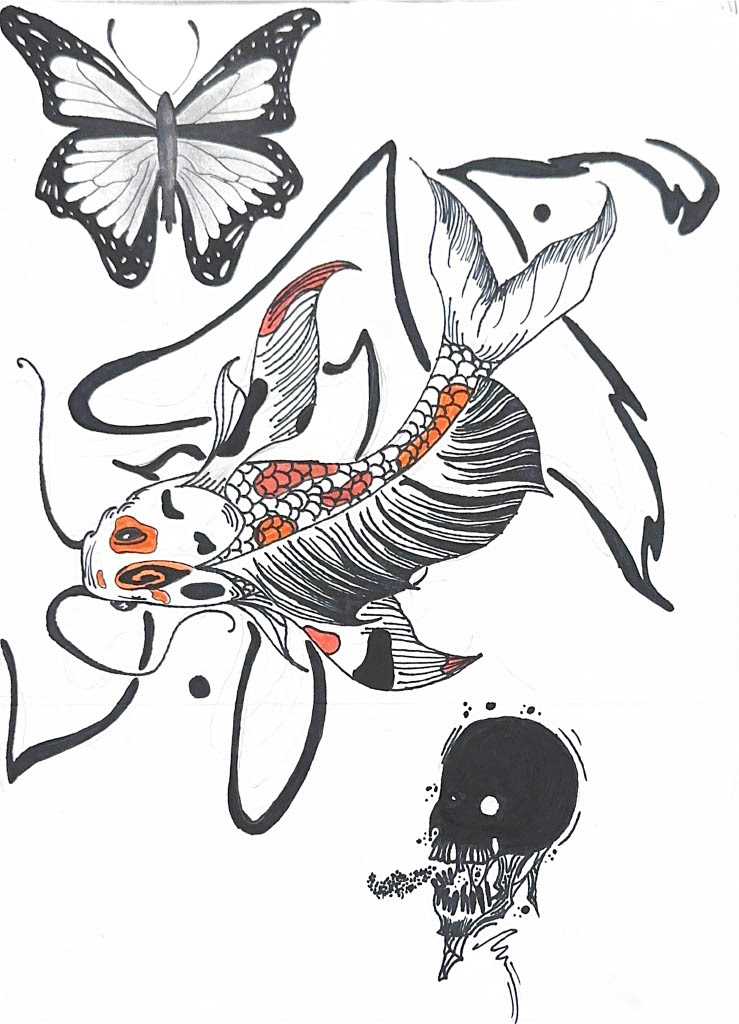
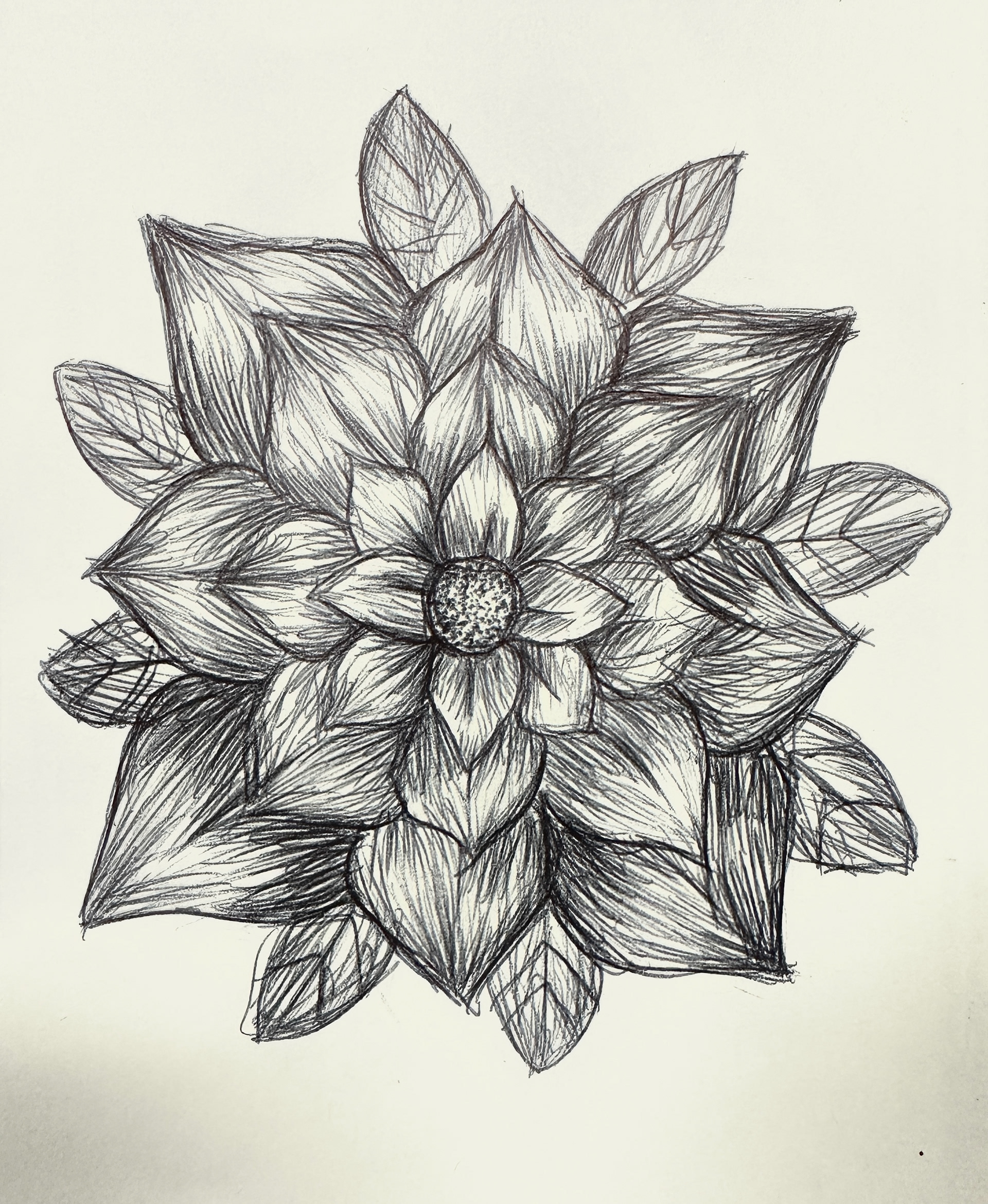
________________________________________________
ALBUM COVERS
Color Unit | Visual Art Foundations I (9-12)
Color Unit | Visual Art Foundations I (9-12)
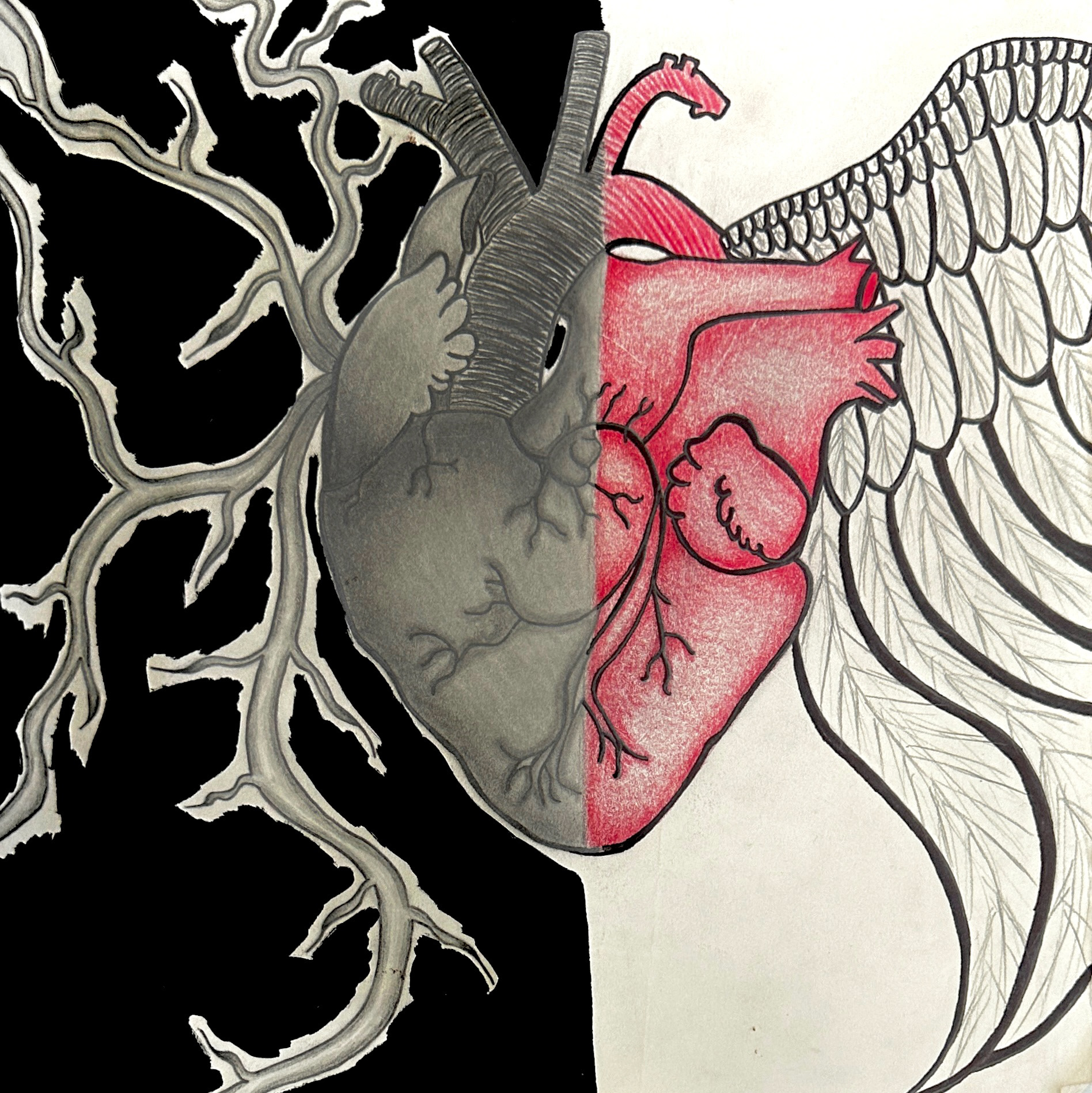
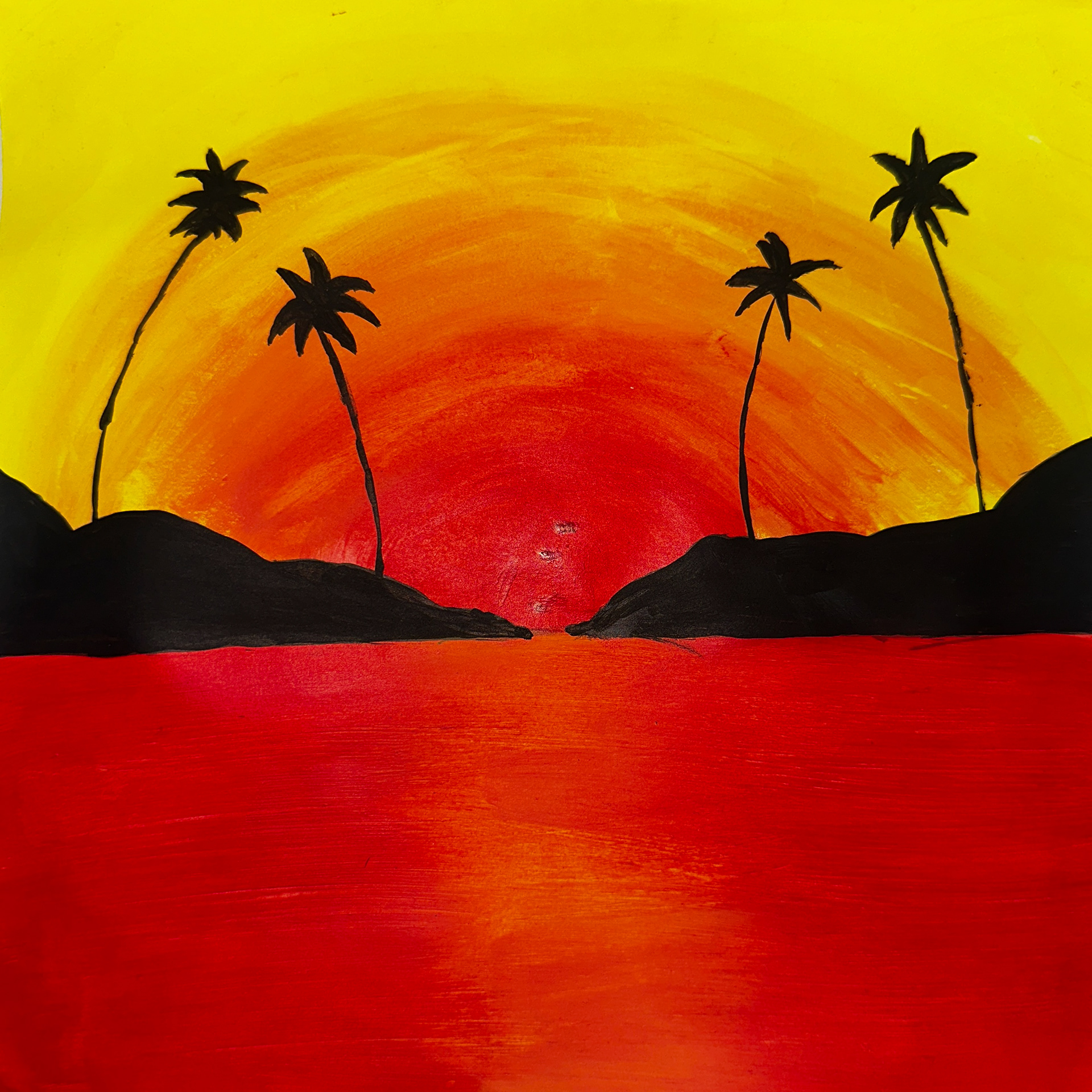
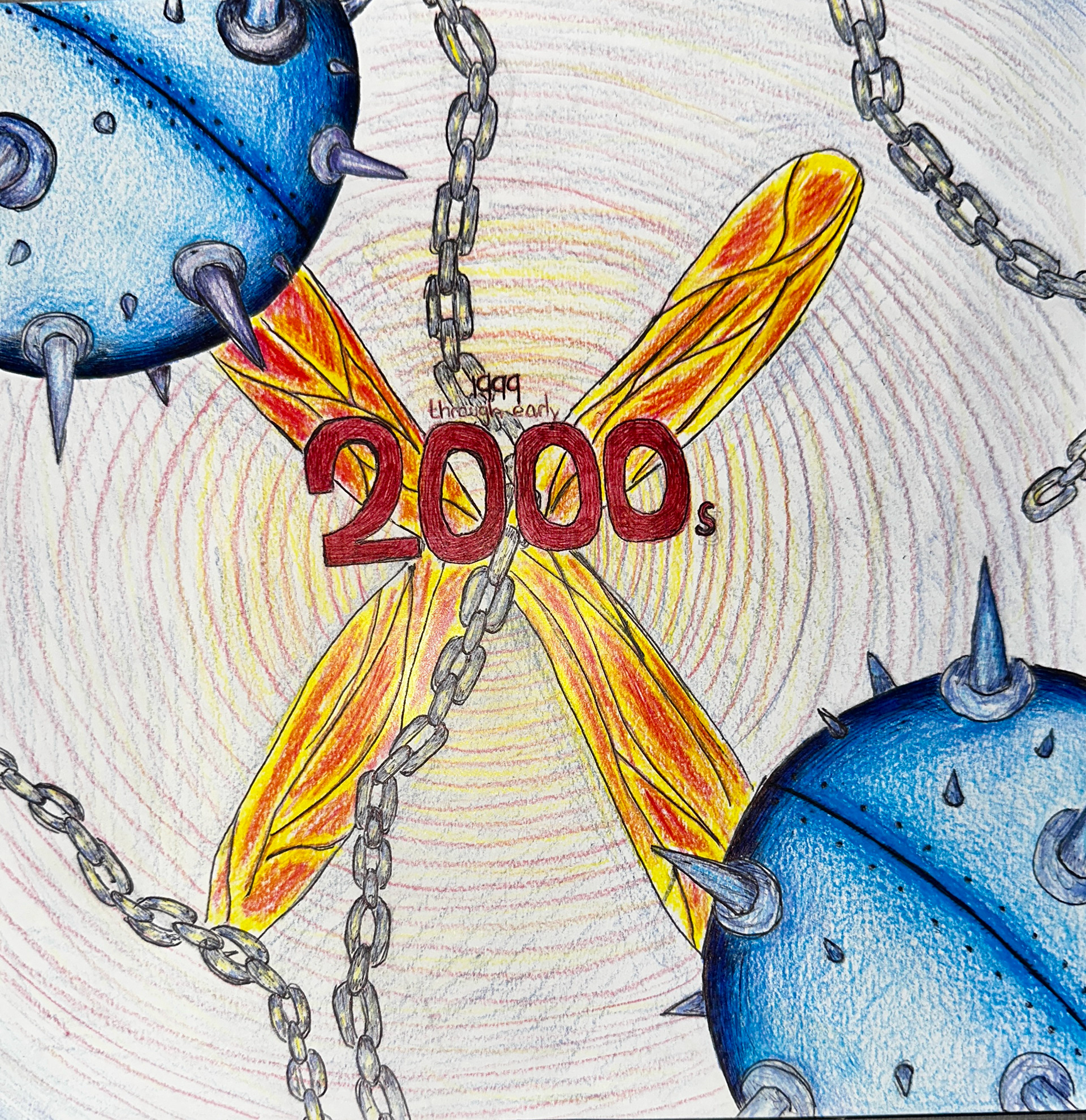
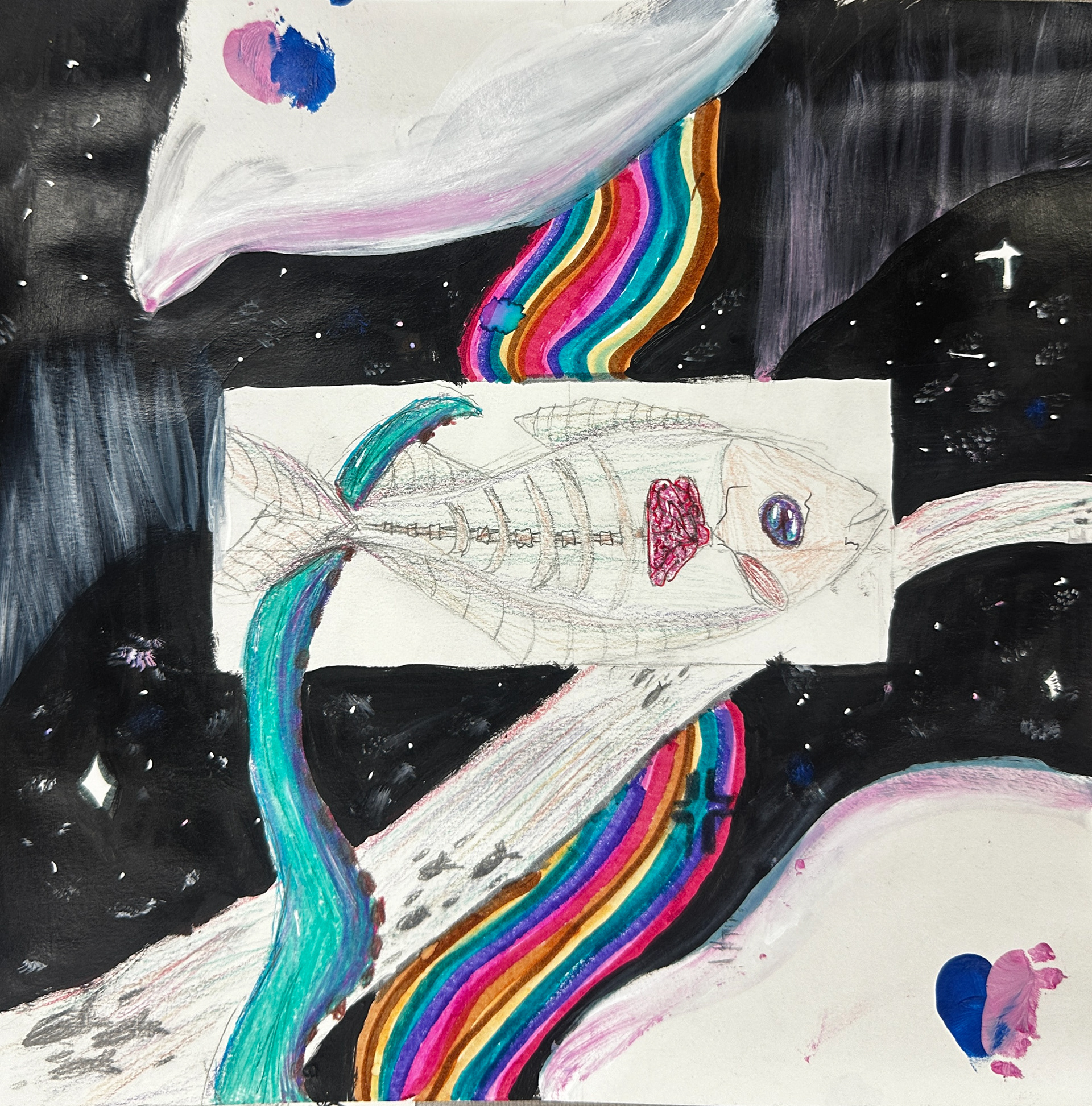
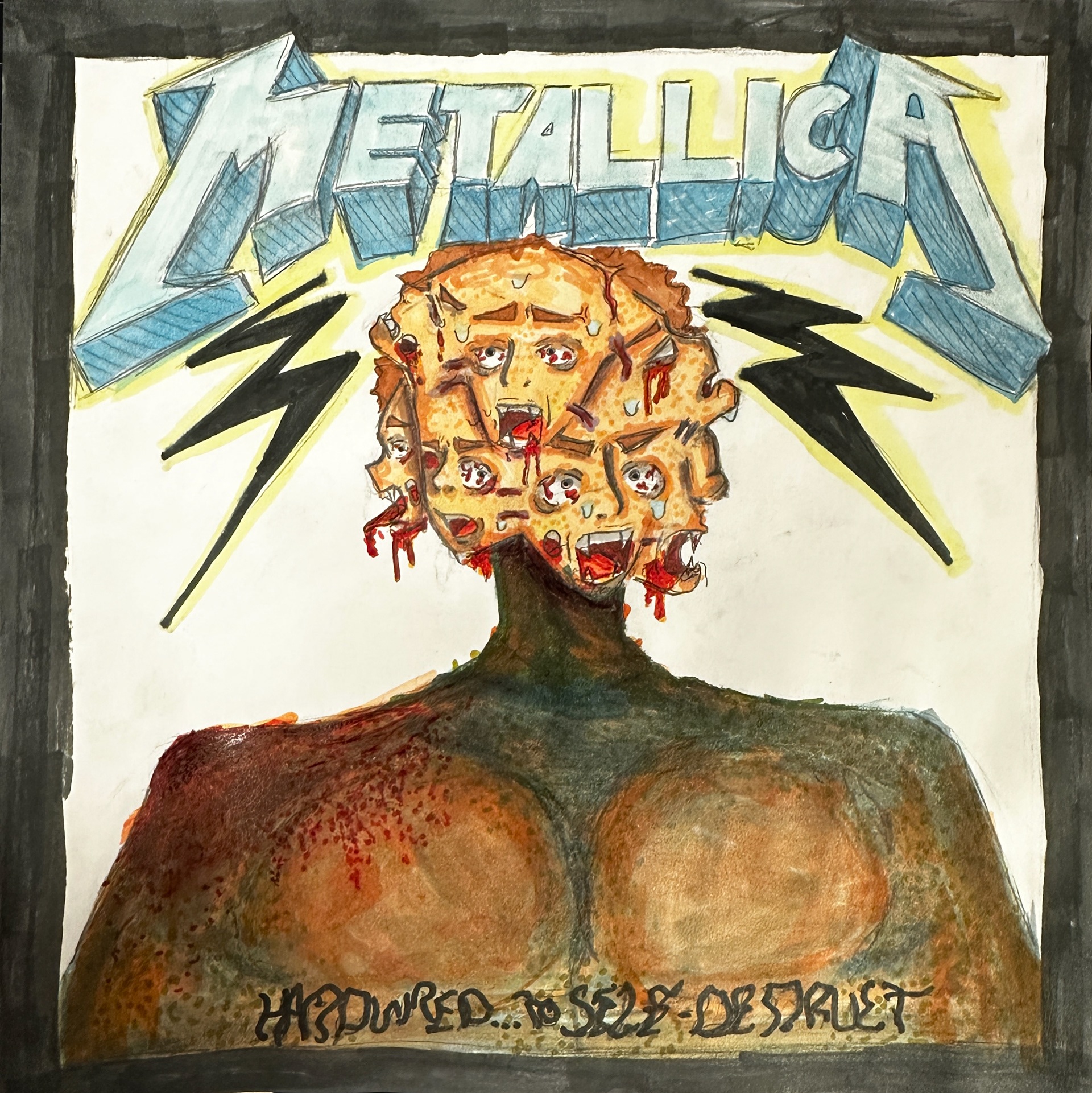
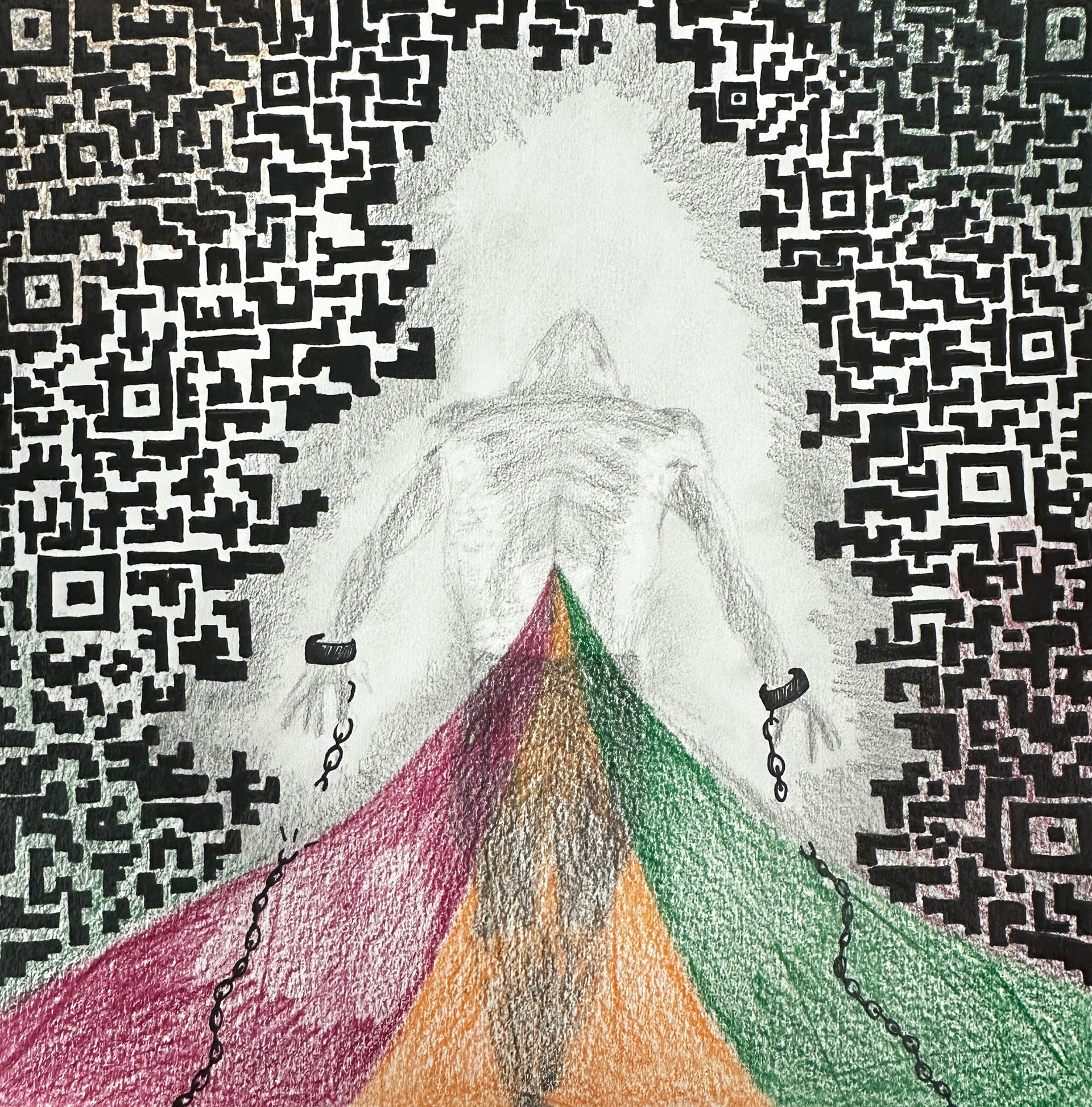
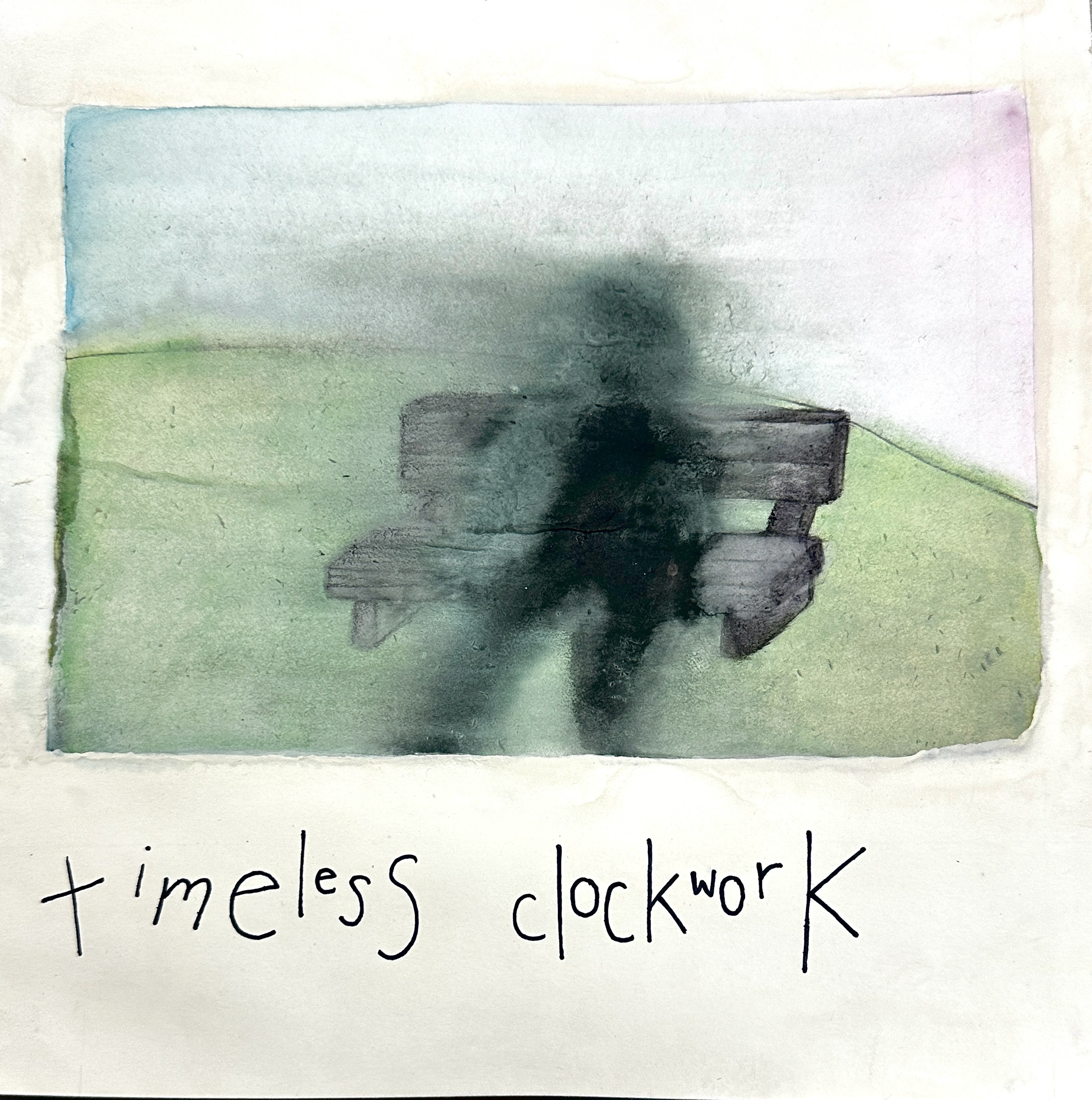
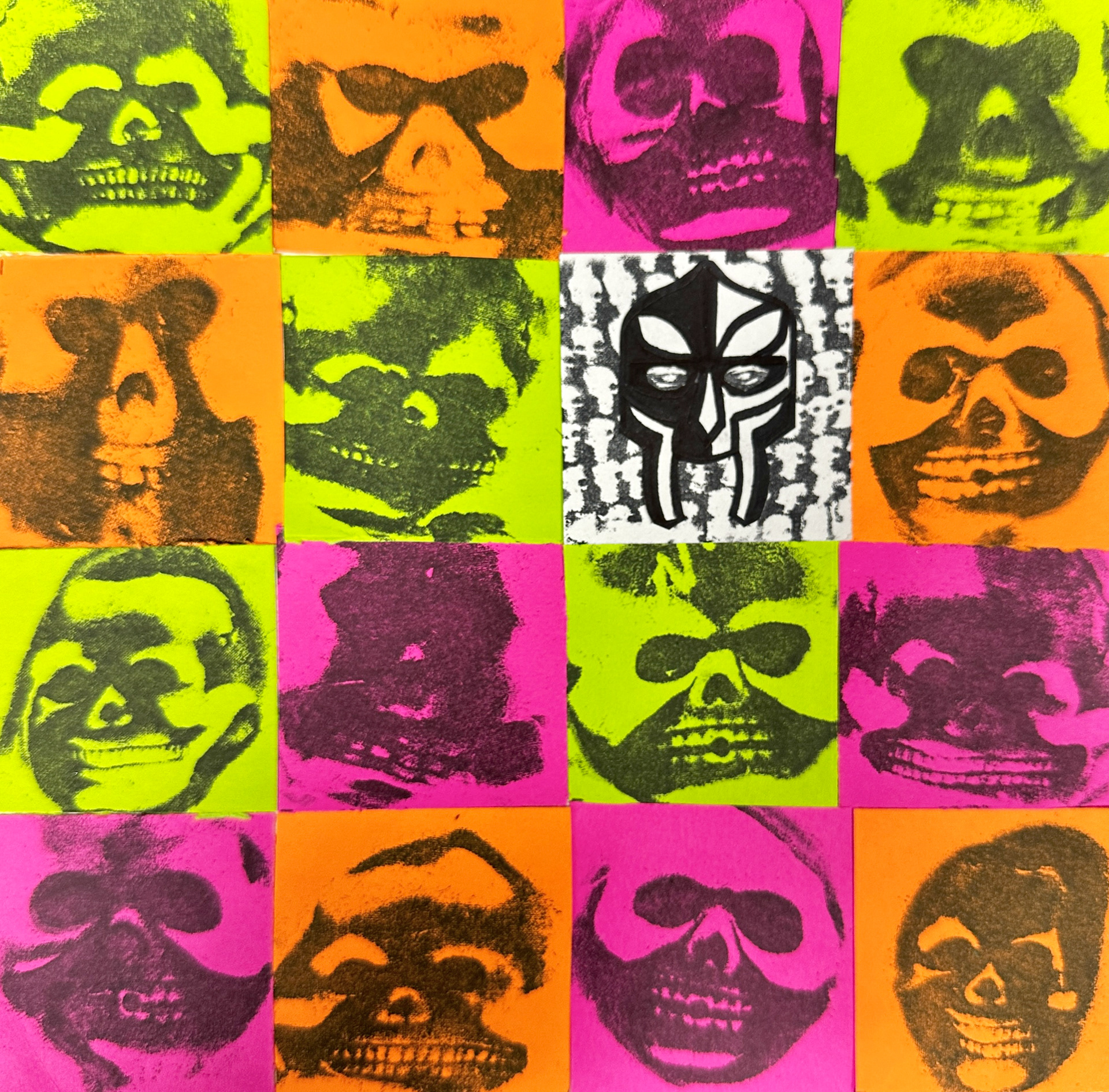
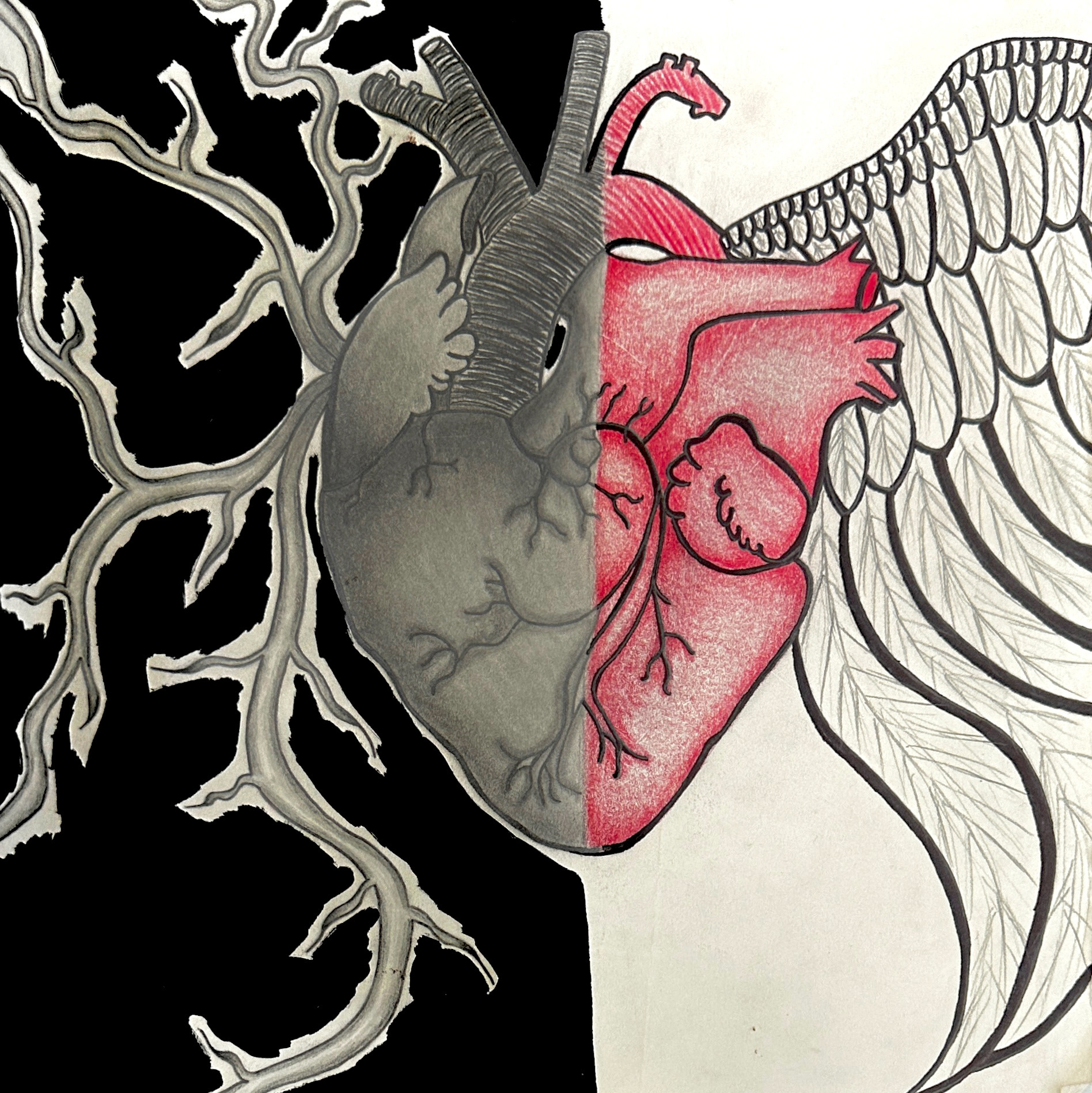
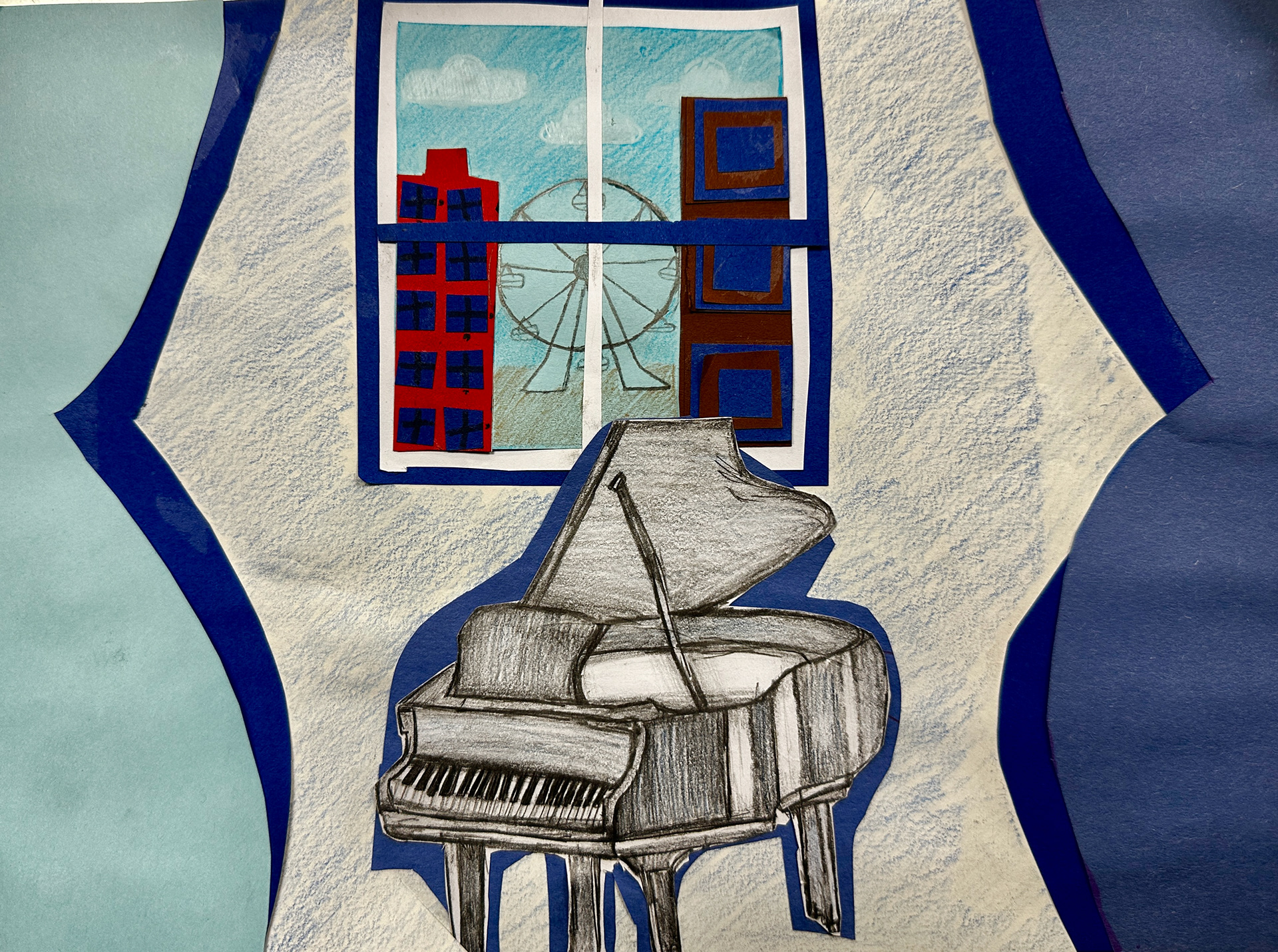
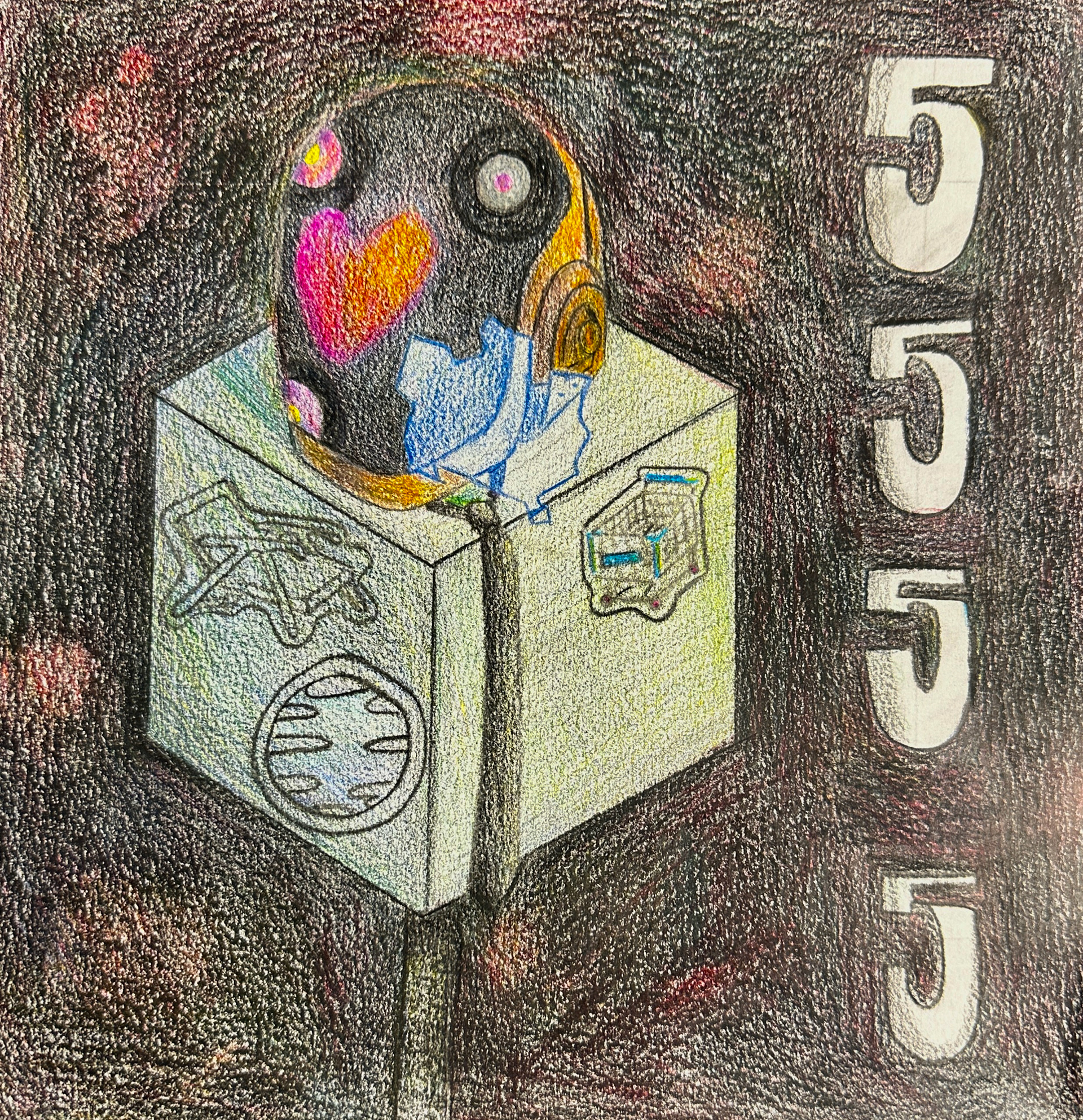
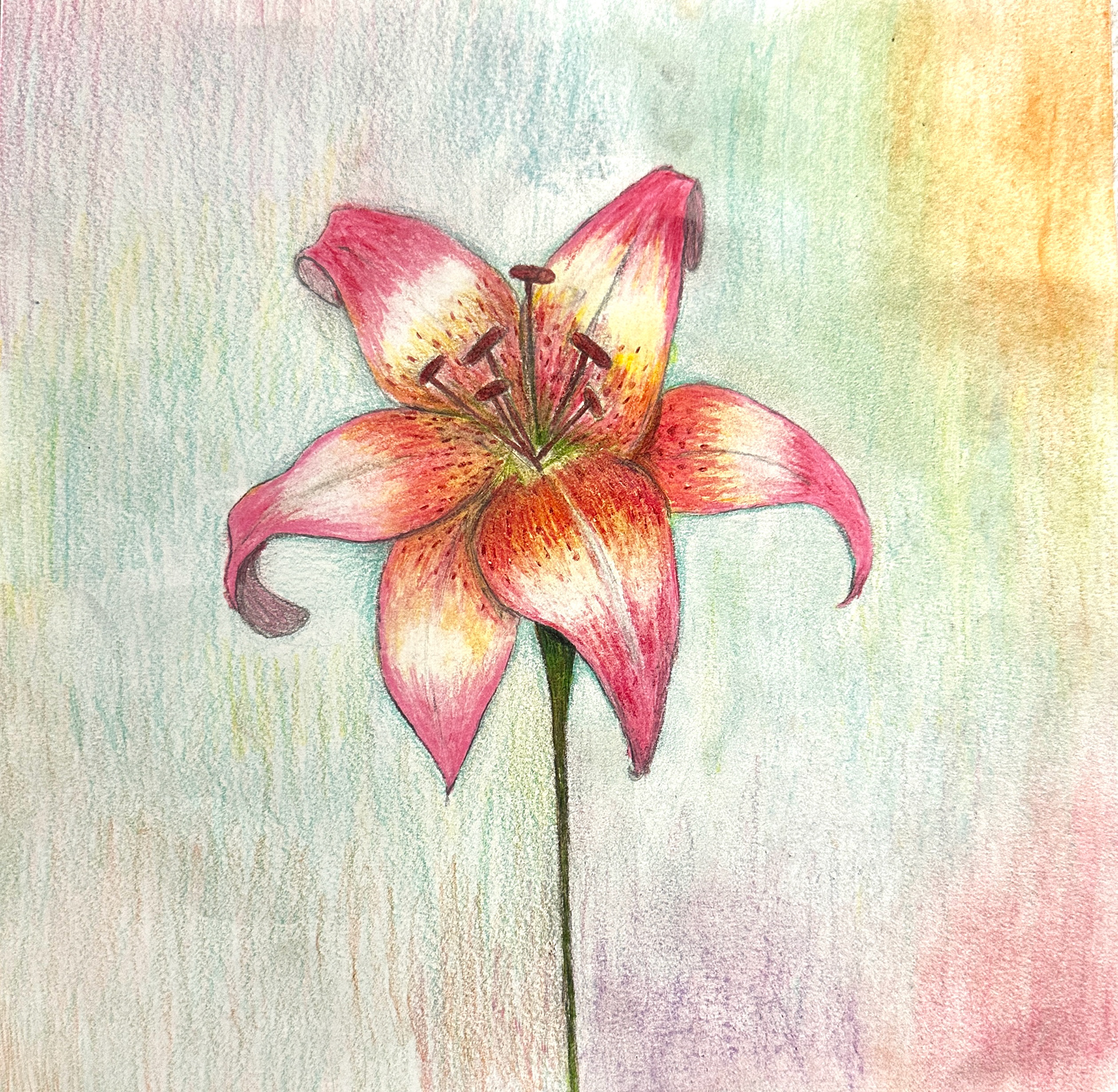
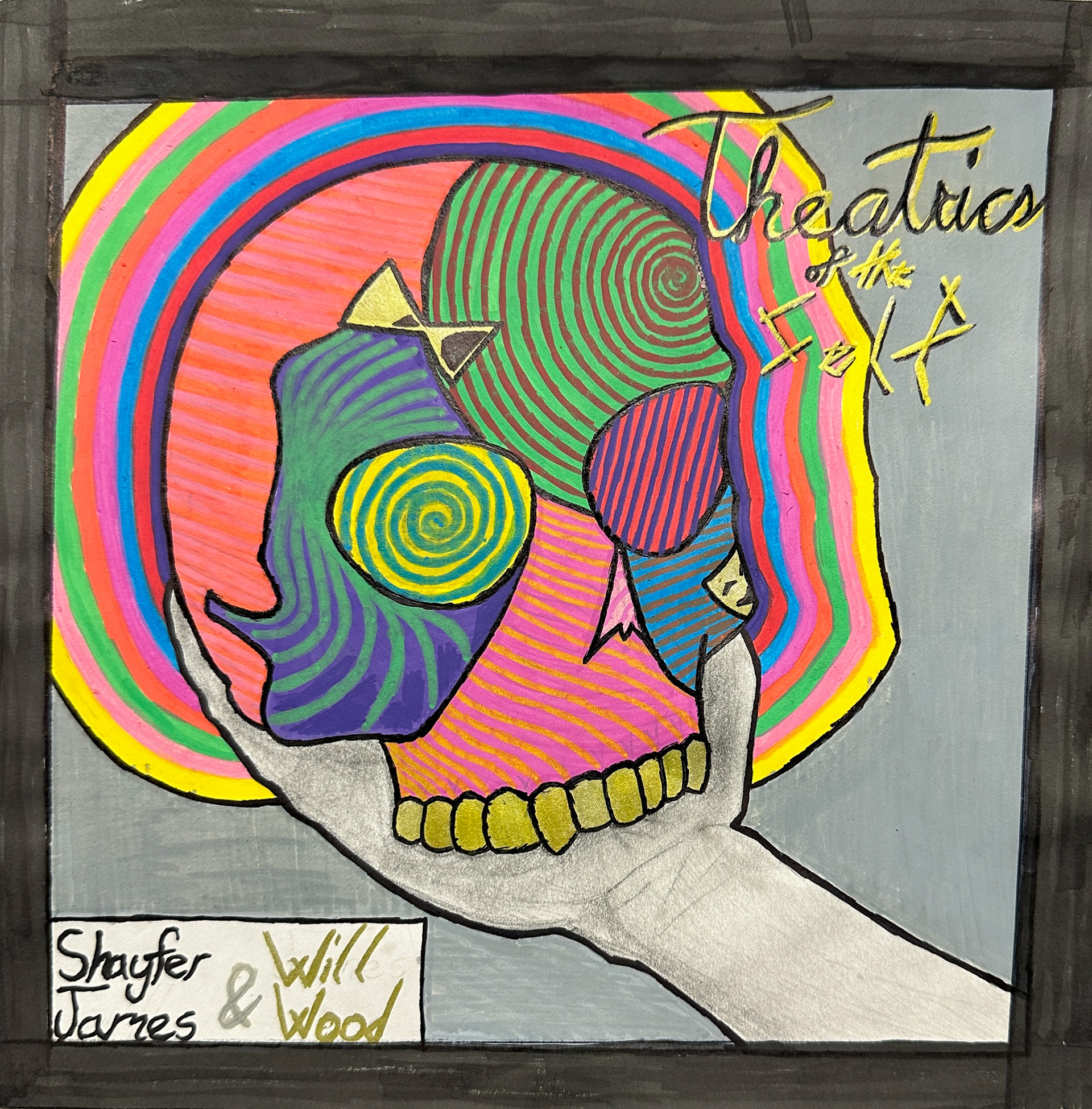
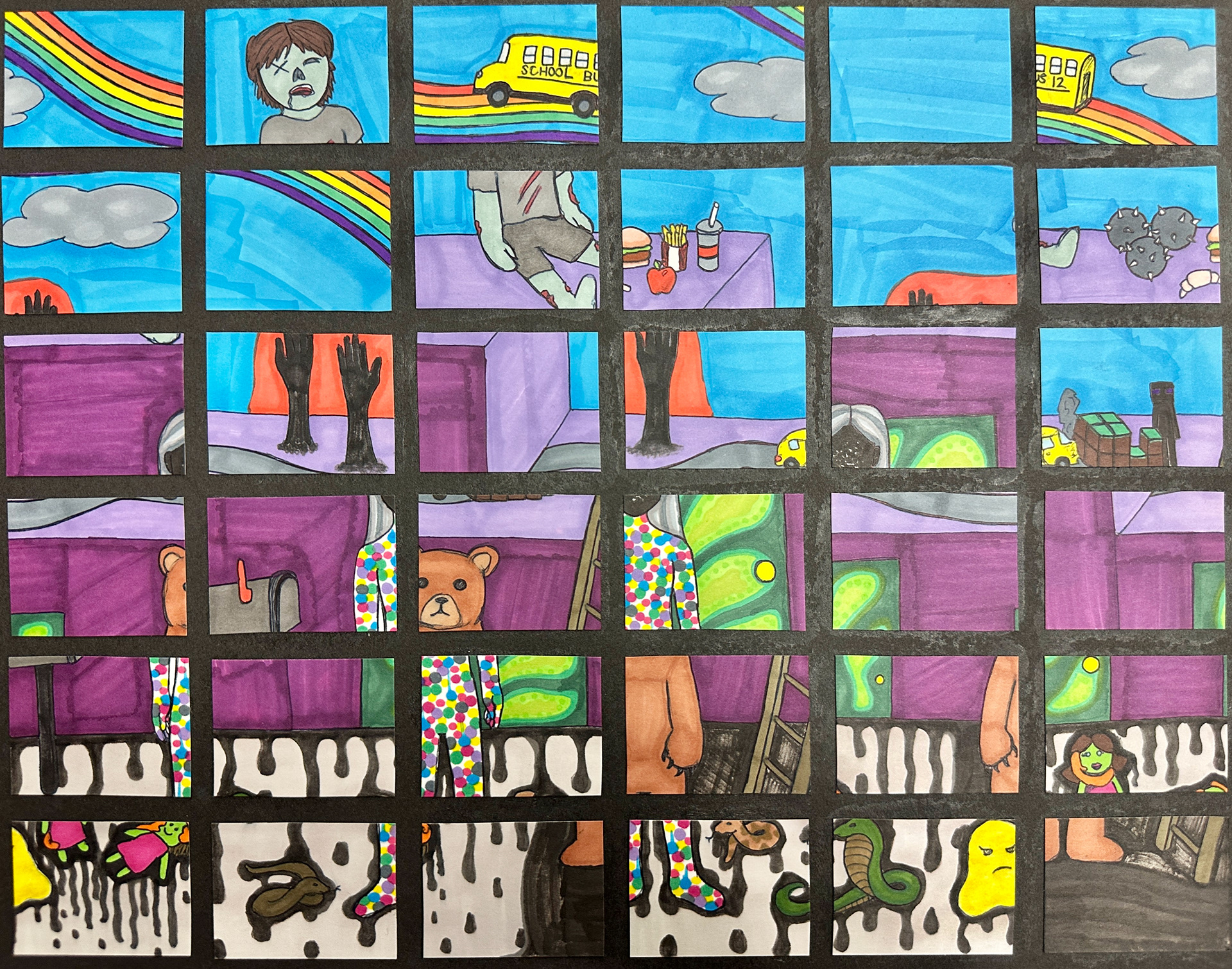
Every day is a struggle with learners and their phone usage. The most common excuse is “I was changing the song!” Teenagers love to listen to music, ranging from all genres from country to hyperpop, and are often drawn to their eye-catching covers. This project aims to combine teens’ interest in music with foundational 2D art skills.
For 2-3 weeks, learners will curate their own "tracklist," and then apply concepts like symbolism, synesthesia, and color theory to create an album cover that connects to their favorite music.
STUDENT WORK
________________________________________________
DRY POINT ETCHING
Printmaking Unit | Visual Art Foundations I (9-12)
Printmaking Unit | Visual Art Foundations I (9-12)
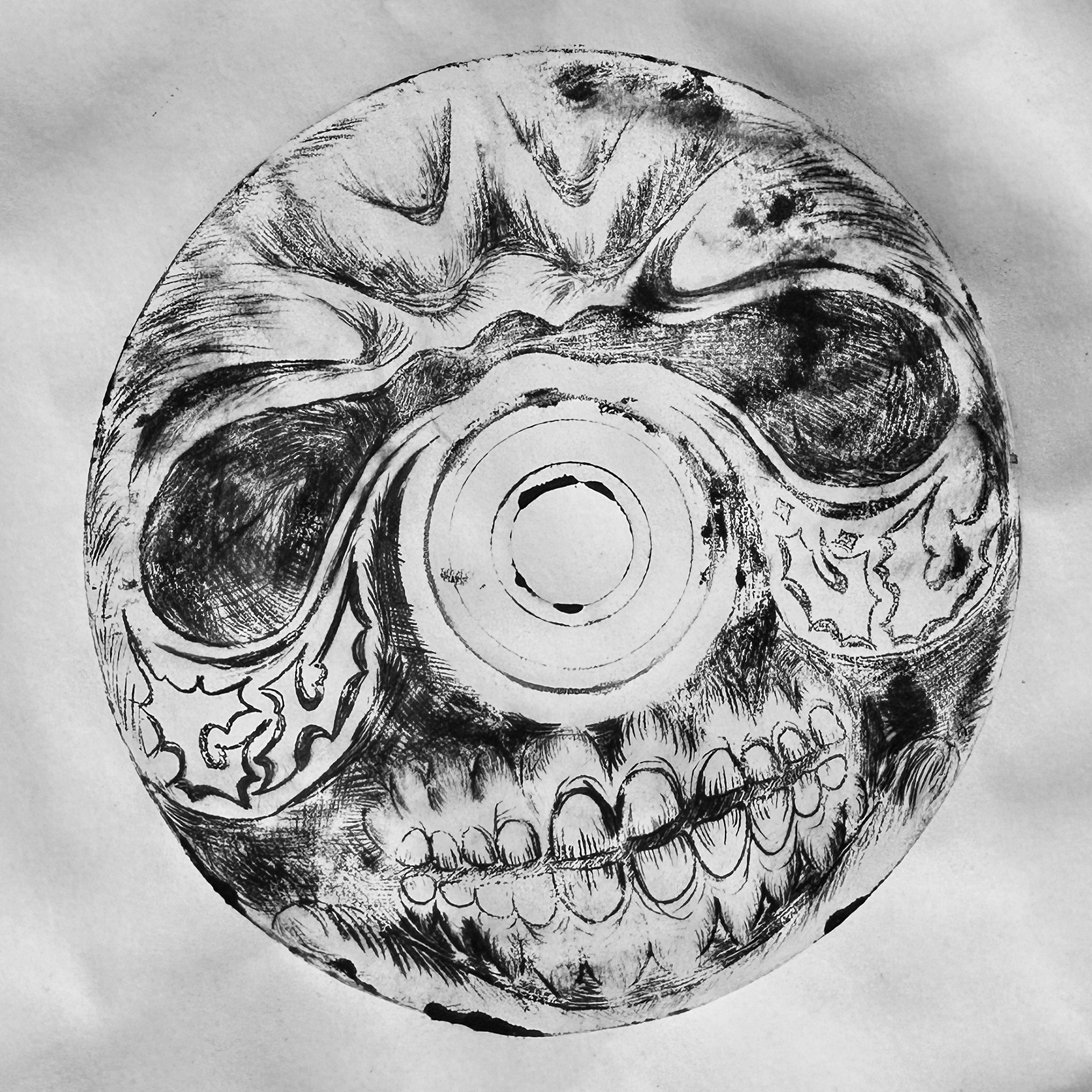
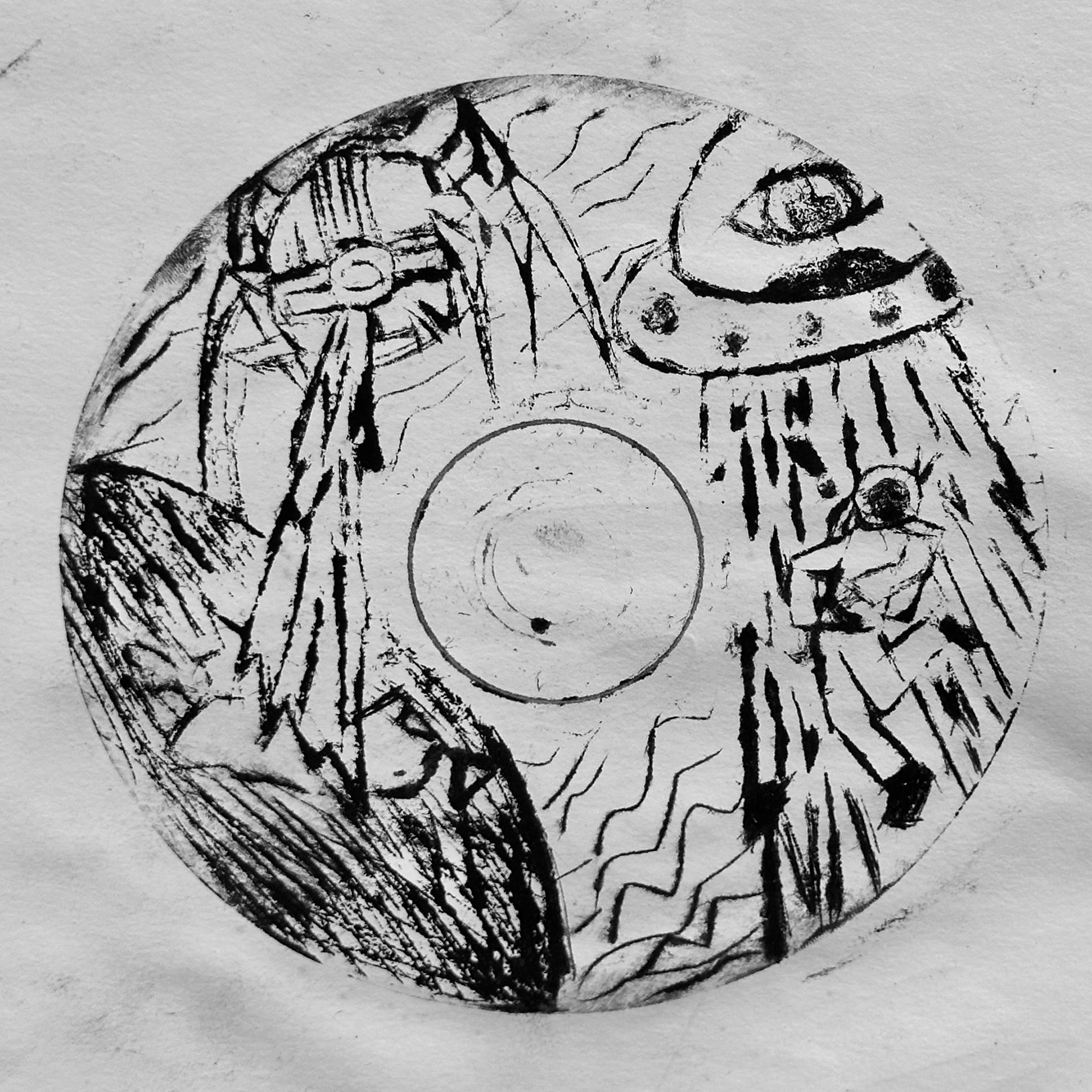
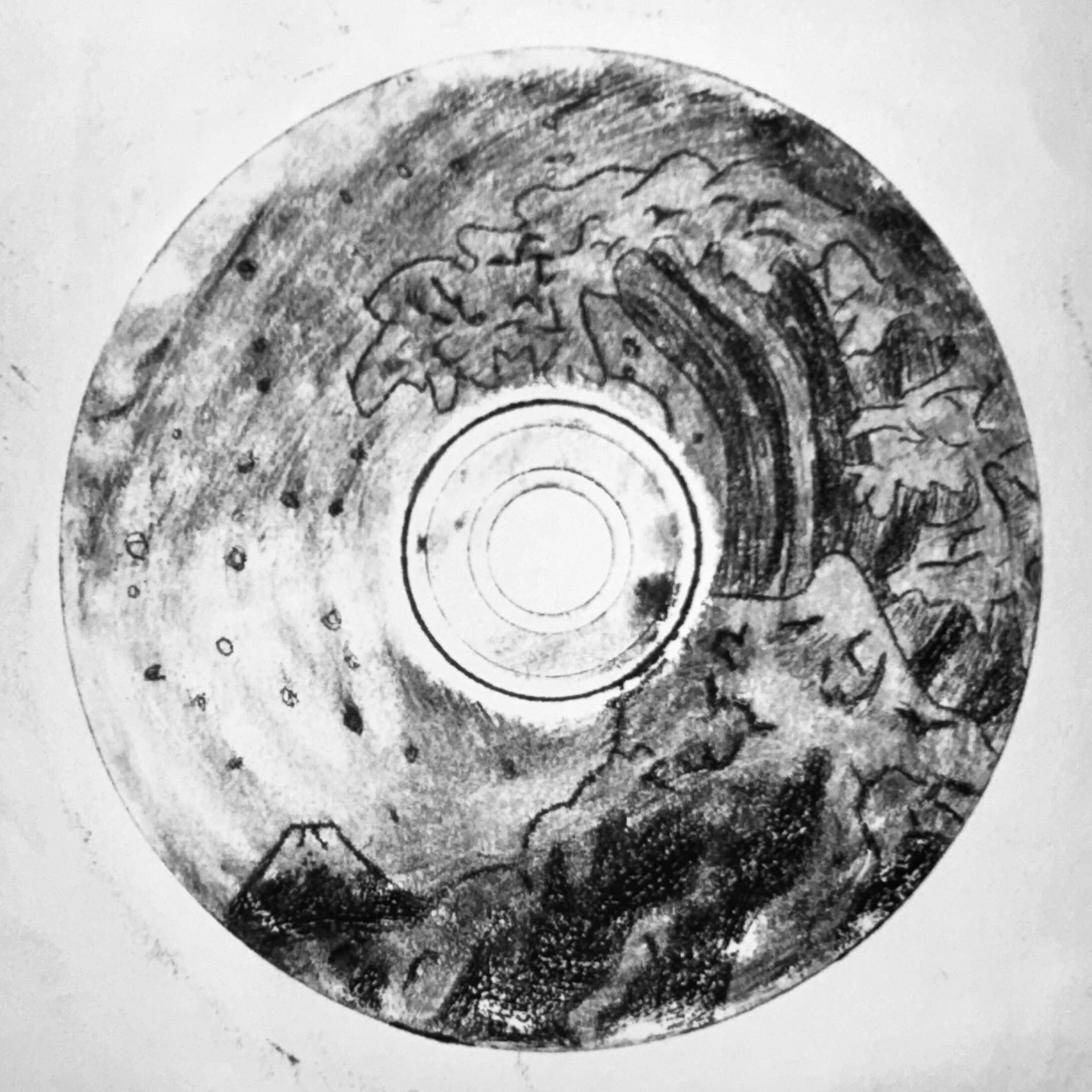
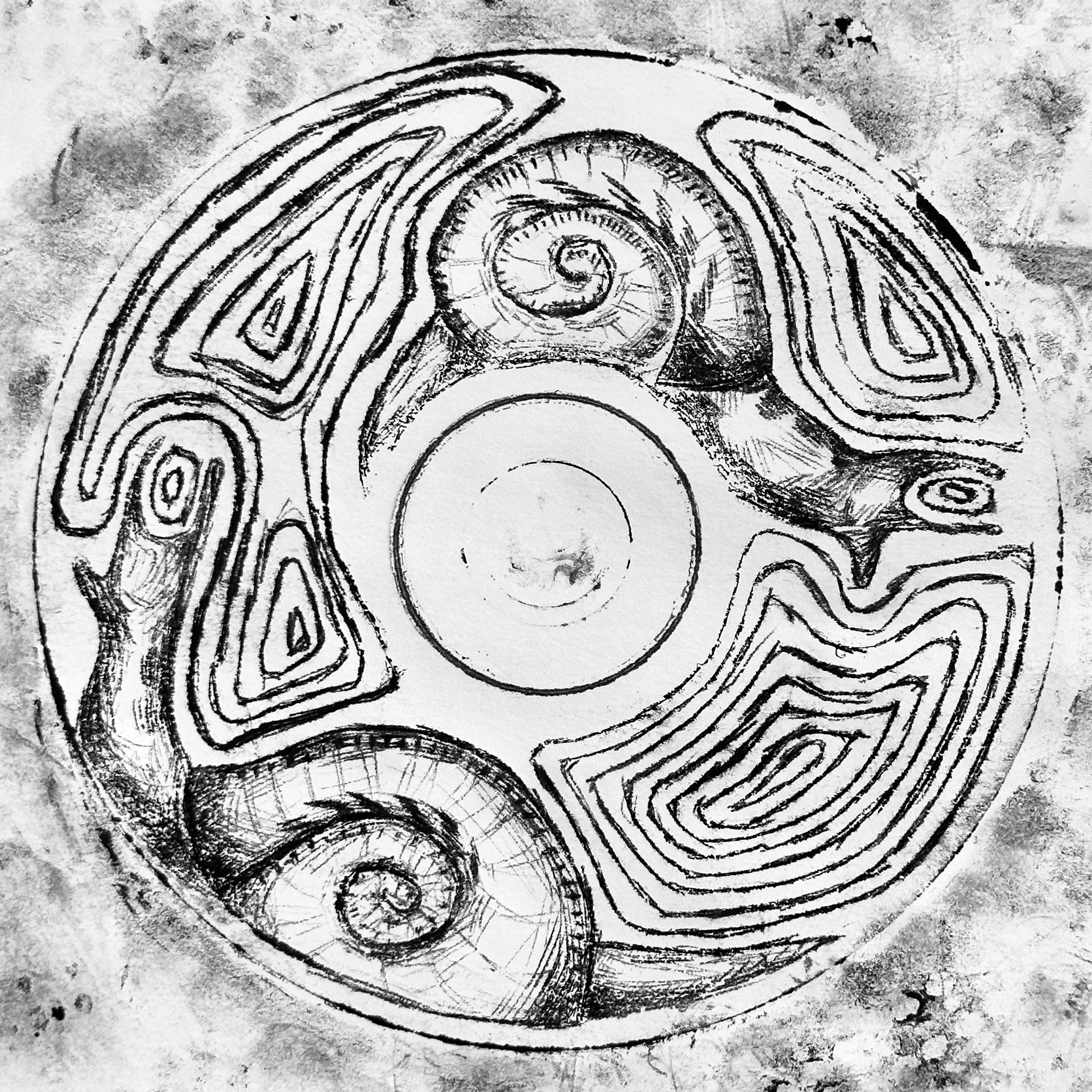
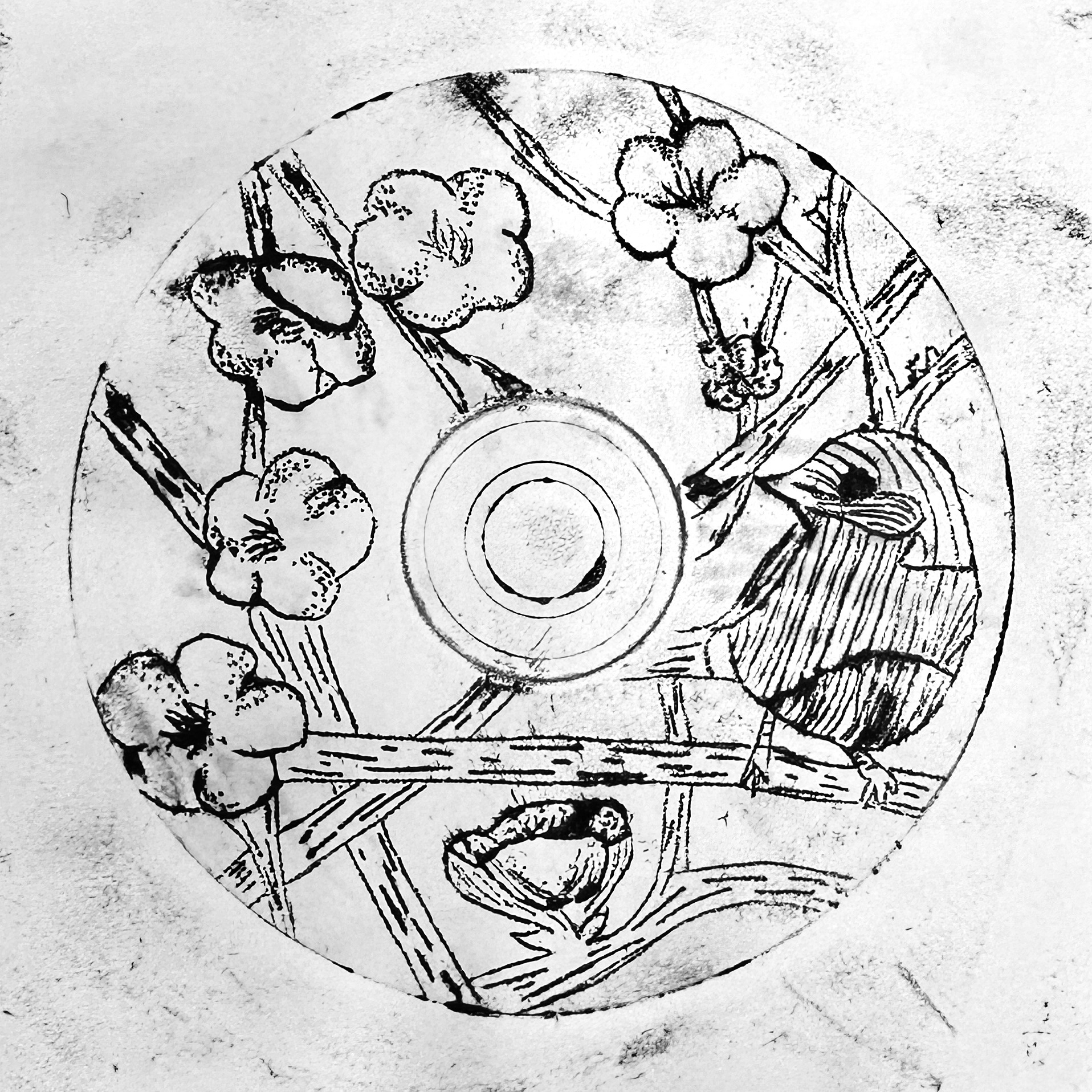
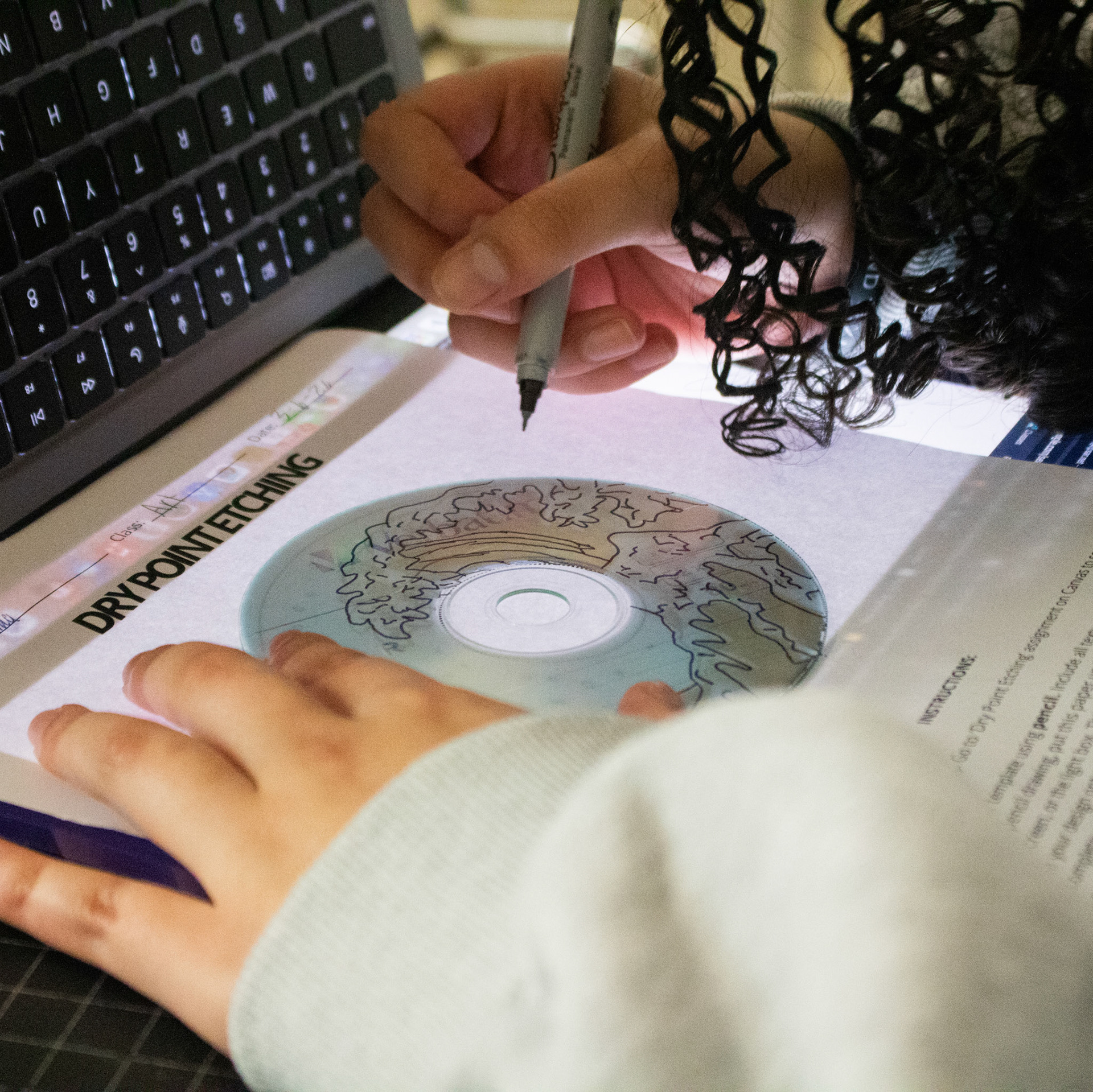
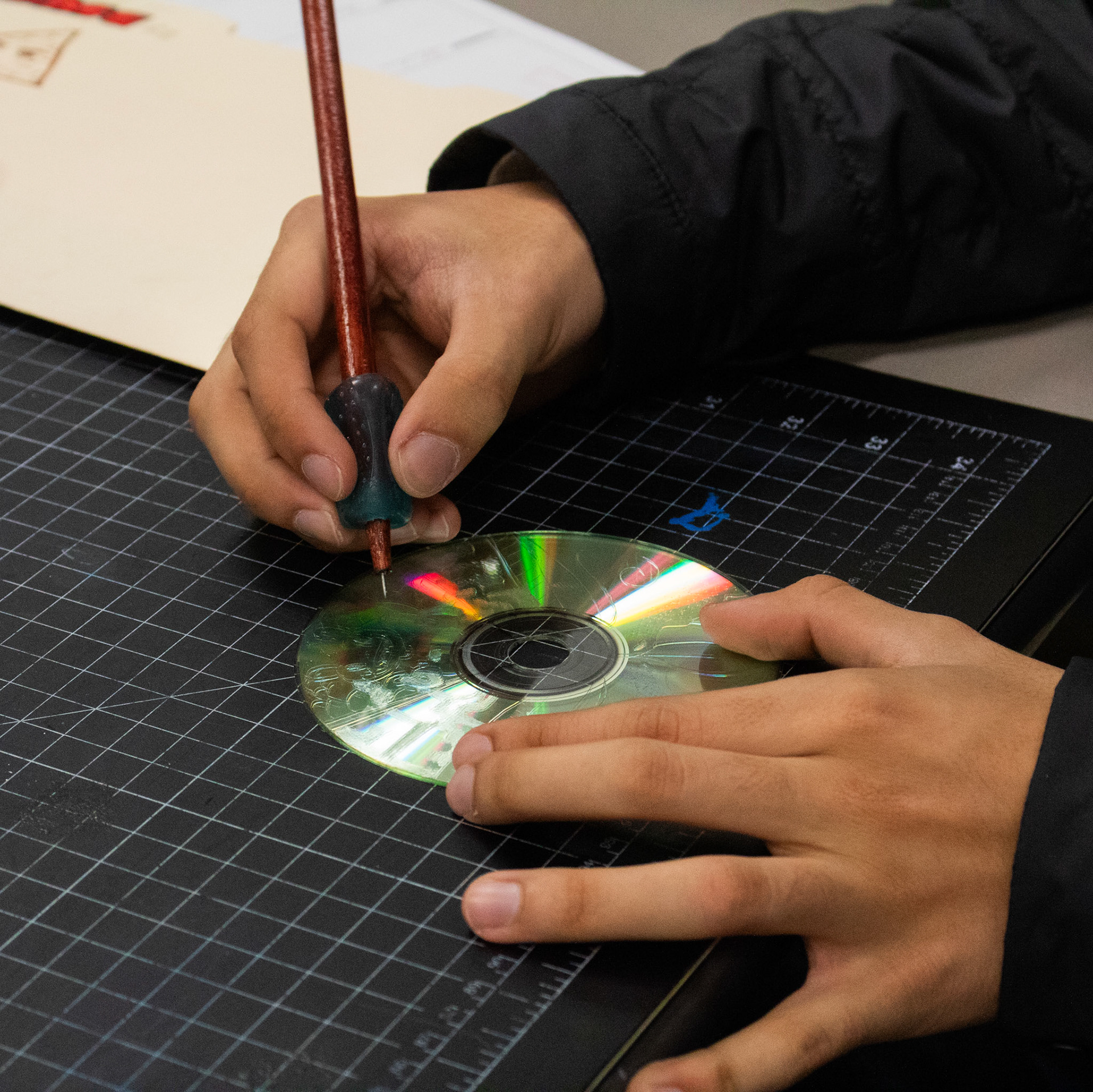
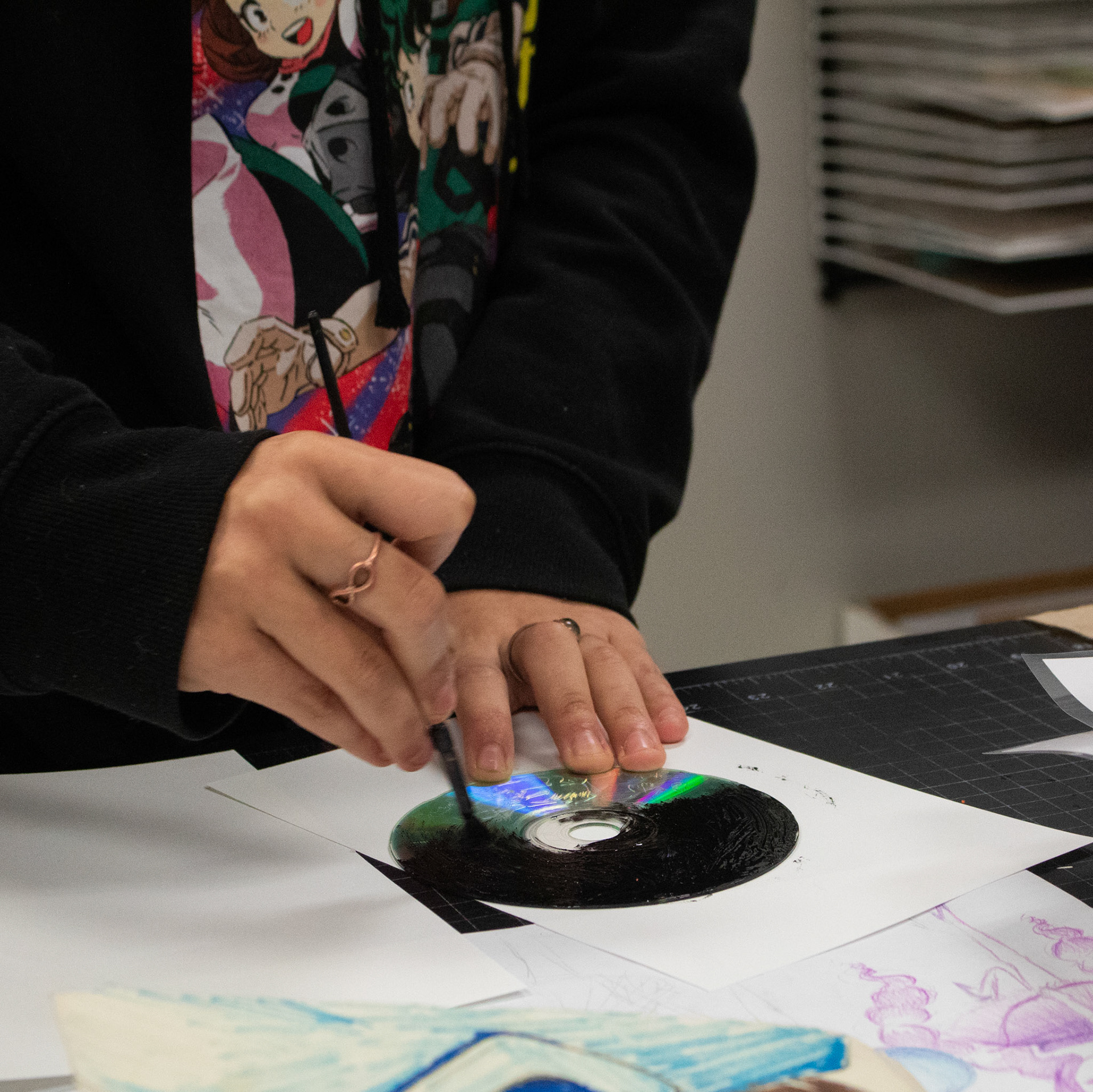
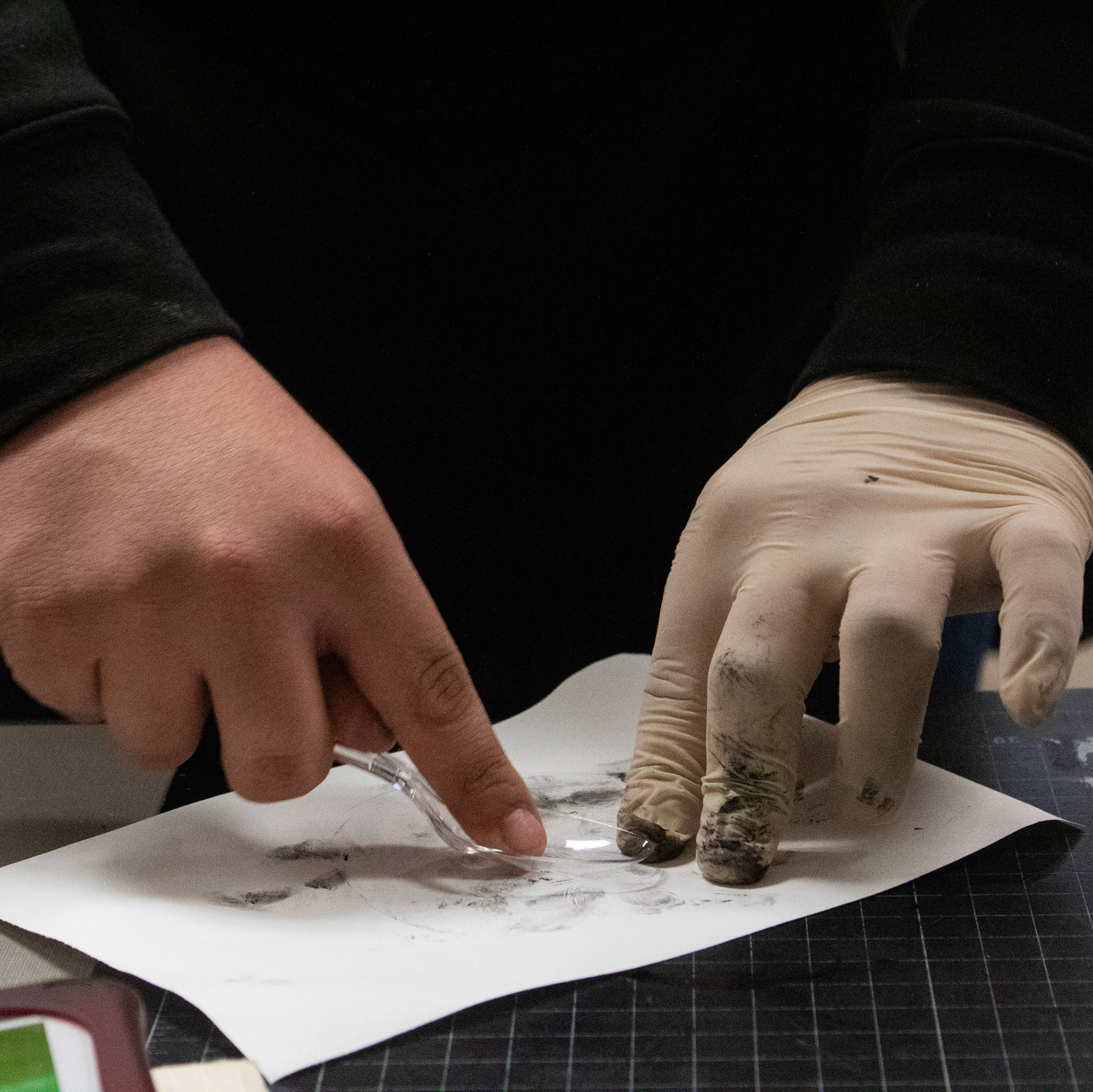
Printmaking is a unique form of art, where multiple copies are created from the same source, but are all considered their own unique artwork. Intaglio, the technique where the design is scratched into the surface, is almost 600 years old, yet it still stands the test of time.
For 2 weeks, students will apply drawing concepts from early in the school year as they plan and create their unique dry point etches. At this point in the year, students can be burnt out from the same routine and materials that come with drawing and painting. Printmaking is a great way to reinforce those basic skills, while also being more kinesthetic and hands-on. Students get to move around and play with inks that they usually don’t see outside of the art classroom.
________________________________________________
CHALLENGING TRADITIONS
Art History Unit | Visual Art Foundations II (10-12)
Art History Unit | Visual Art Foundations II (10-12)
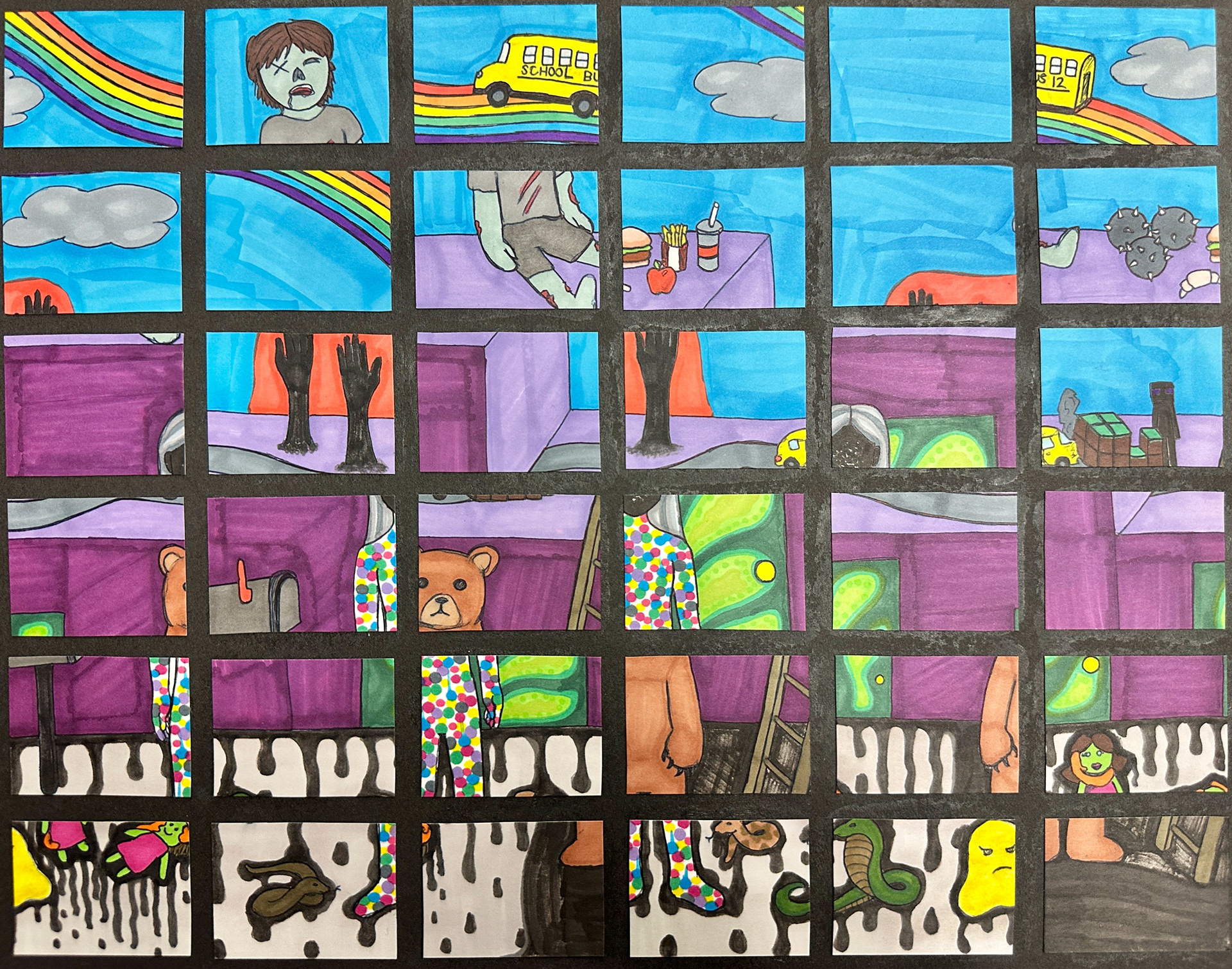
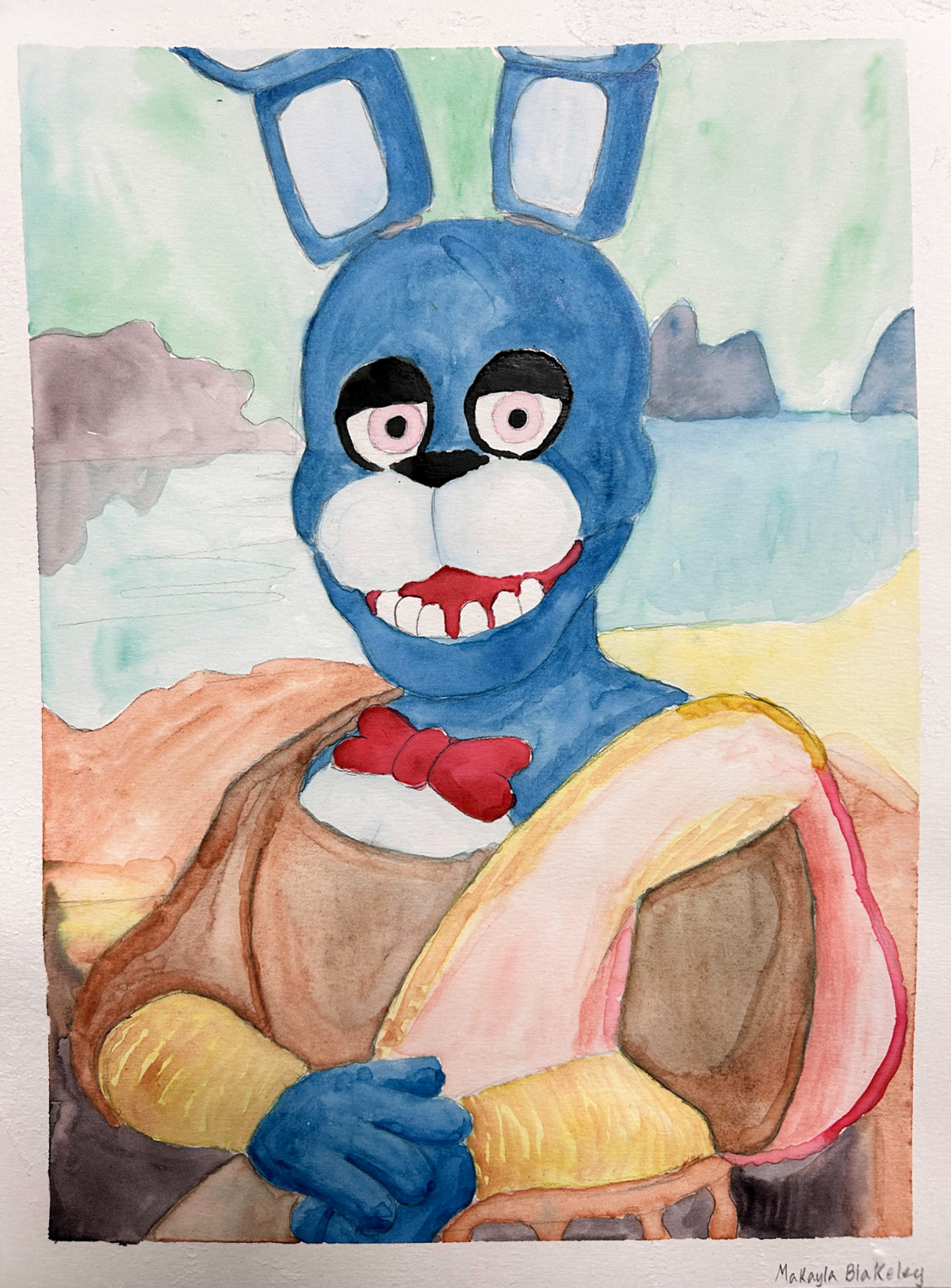
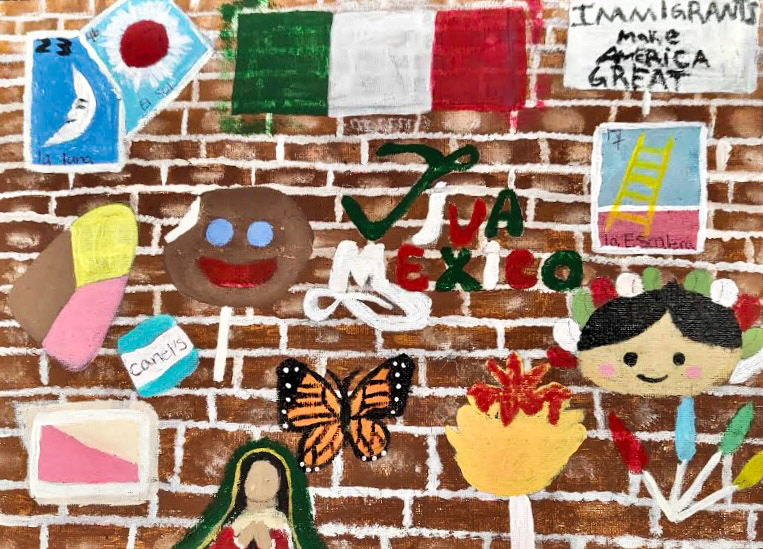
Art history has historically been centered around Eurpoean male artists, resulting in the exclusion of groups of people who have equally significant contributions. Contemporary artists, especially those from marginalized communities, insert themselves into the narrative by creating work surrounding issues they or their communities struggle with. They assert themselves into spaces where historically they have been rejected and gain back power.
The specific artists in this lesson, Alondra Cruz, Roberto Lugo, and Yvette Mayorga, have similar approaches in their work where they take historical techniques or aesthetics, like the French rococo or 19th-century European pottery, and apply imagery from popular culture they experienced as Latinos in the United States. Through this, they are including themselves and their communities in the art world
The specific artists in this lesson, Alondra Cruz, Roberto Lugo, and Yvette Mayorga, have similar approaches in their work where they take historical techniques or aesthetics, like the French rococo or 19th-century European pottery, and apply imagery from popular culture they experienced as Latinos in the United States. Through this, they are including themselves and their communities in the art world
Orginally design for ceramics, Challenging Traditions has been adopted into a 2D project, where students are still tasked to combine art history with their experiences, but the final produce is expressed through 2D media rather than ceramics.
________________________________________________